Here’s how to keep five common garden culprits under control.
As the weather begins to warm up and gardens spring back into growth, garden pests are quick to reappear, too. Aphids, caterpillars, snails and other hungry visitors often ramp up activity from late winter onwards, taking advantage of fresh new foliage and milder conditions. Catching any problems early and maintaining good growing conditions can help stop minor damage escalating later in the season.
At a glance: How to control common garden pests
- Focus on prevention: Regular pruning, improving airflow and growing lots of flowers.
- For aphids: Wipe away the pests by hand or use a jet of water, or use a suitable product carefully.
- For scale: Physically remove using a cloth or brush and prune back affected areas.
- For snails and slugs: Reduce hiding spots, remove by hand or try copper snail tape or bait.
- For caterpillars: Use insect netting and pick them off by hand.
- For fruit fly: Remove infested fruit and use netting, traps or fruit fly sprays for severe cases.
Tip: Always wear the appropriate safety equipment (safety glasses, gloves, ear muffs and a mask, for example) and always follow the instructions for the product or equipment.
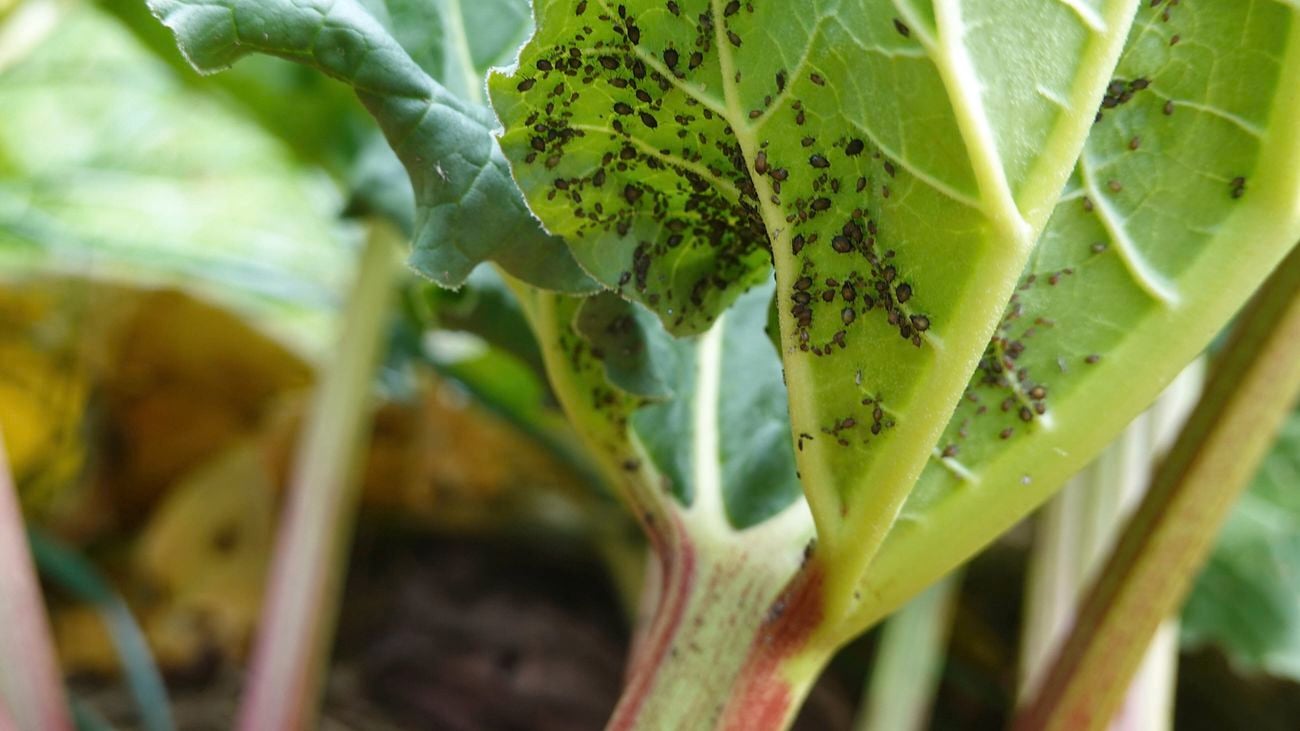
Garden pest prevention is easier than cure
Prevention is the best approach for garden pests, says Robert Chin, Bunnings compliance manager for biosecurity and nursery. “If your plants are healthy and growing well, they will be more resilient to pests and diseases,” he says. Try these tips for prevention:
- Regular watering, feeding and good air circulation can all help minimise plant stress. “Growing plants in the wrong spot, such as where there isn’t enough sunlight, can make them more vulnerable to pests and diseases,” says Robert.
- He also recommends keeping on top of pruning to improve airflow and remove dead, diseased or infested growth.
- Encouraging beneficial insects such as ladybirds and lacewings can also help keep pest populations in balance naturally, says horticulturist Angie Thomas of Yates. “A good way to reduce the number of pest insects is to grow lots of flowers, which help attract predatory insects such as ladybirds, wasps and hoverflies,” says Angie.
- Check labels of pest sprays carefully. Angie recommends. “Products suitable for ornamental plants may not always be safe to use on fruit, herbs or vegetables,” she says. “Whenever using garden chemicals, follow the directions for use, including wearing appropriate safety gear and timing sprays to minimise impacts on beneficial insects.”
How to spot aphids
Clusters of tiny green, black or brown soft-bodied insects gathered on young shoots are often the first sign of aphids. These pests are especially prevalent on roses, herbs, citrus and vegies during spring.
Aphids feed by sucking sap from stems and leaves, causing distorted growth and curling foliage. They excrete sticky honeydew, which attracts ants and can lead to black sooty mould developing on leaves.
How to prevent aphids
To prevent aphids, avoid over-fertilising with nitrogen, which attracts them with rapid, tender new growth. Control ants, which protect aphids from predators, and plant fragrant companion crops like garlic, marigolds, and chives to naturally repel them. Here’s some other tips for aphid prevention:
- Small infestations can often be controlled by blasting plants with a strong jet of water or wiping away pests by hand.
- For heavier infestations, organic insecticidal soaps and horticultural oils can help reduce aphid numbers when applied carefully to affected plants.
How to spot scale garden pests
Scale insects are common sap-sucking pests that attack a wide range of plants, including citrus, hibiscus and lilly pillies. They typically appear as small shell-like bumps attached to stems and leaves.
How to prevent and treat scale damage
- Improving airflow and avoiding overcrowded planting can help reduce conditions that allow populations to build up.
- If caught early, scale insects can often be managed by physical removal from stems and leaves using a cloth or soft brush, or by pruning affected growth.
- More severe infestations may require repeat applications of horticultural oils such as neem or white oil, or sprays labelled for scale control.
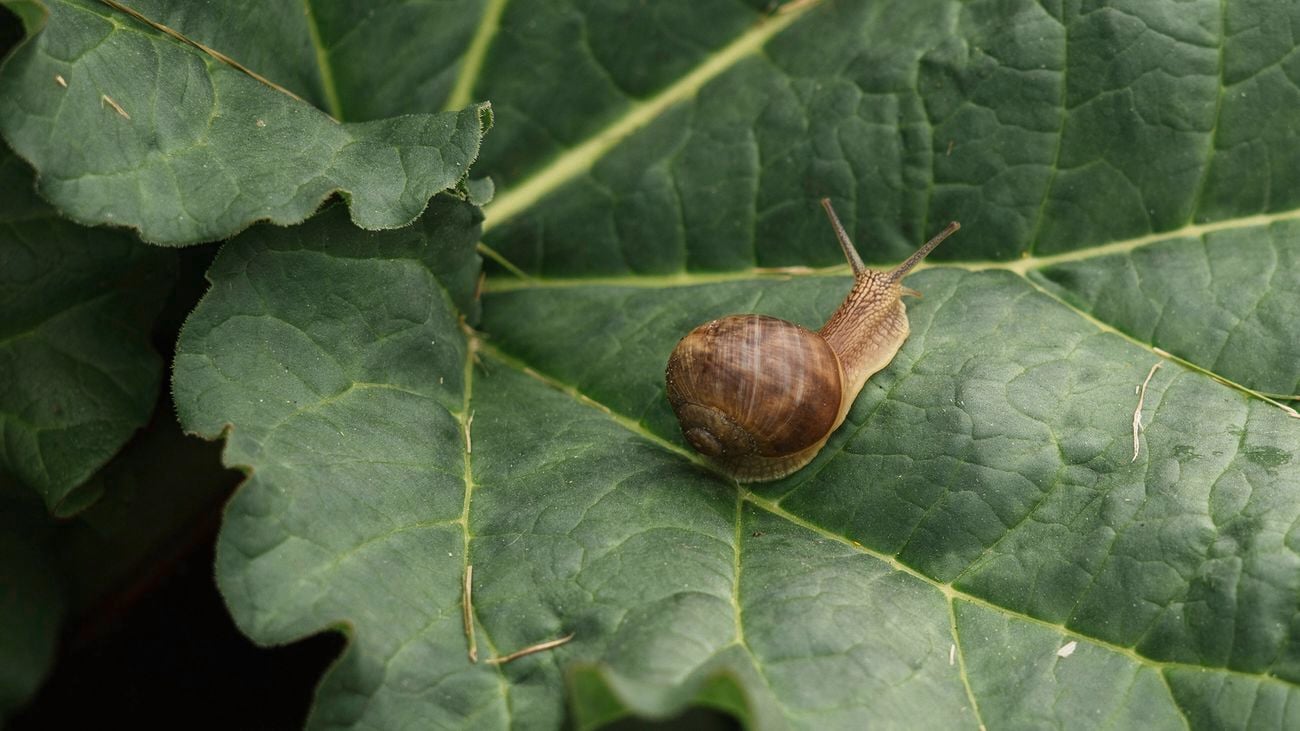
How to spot snail and slug damage in your garden
Cool, damp conditions through late winter and spring create ideal feeding conditions for snails and slugs. Seedlings, leafy greens and soft new growth are especially vulnerable. Silvery slime trails, ragged holes and missing young plants are common signs these nocturnal feeders have been active overnight.
How to prevent and treat snail and slug damage
- Reducing hiding spots such as dense mulch, weeds and garden debris can help discourage snails and slugs.
- Removing pests by hand in the evening after rain can be surprisingly effective for smaller gardens.
- “In addition to nightly hunting expeditions, copper snail tape can work as a deterrent, while plastic bottles cut in half and placed over seedlings can help protect young plants,” says Angie. “For persistent problems, a light sprinkling of an organic iron-based snail and slug bait can also help protect vulnerable plants.”
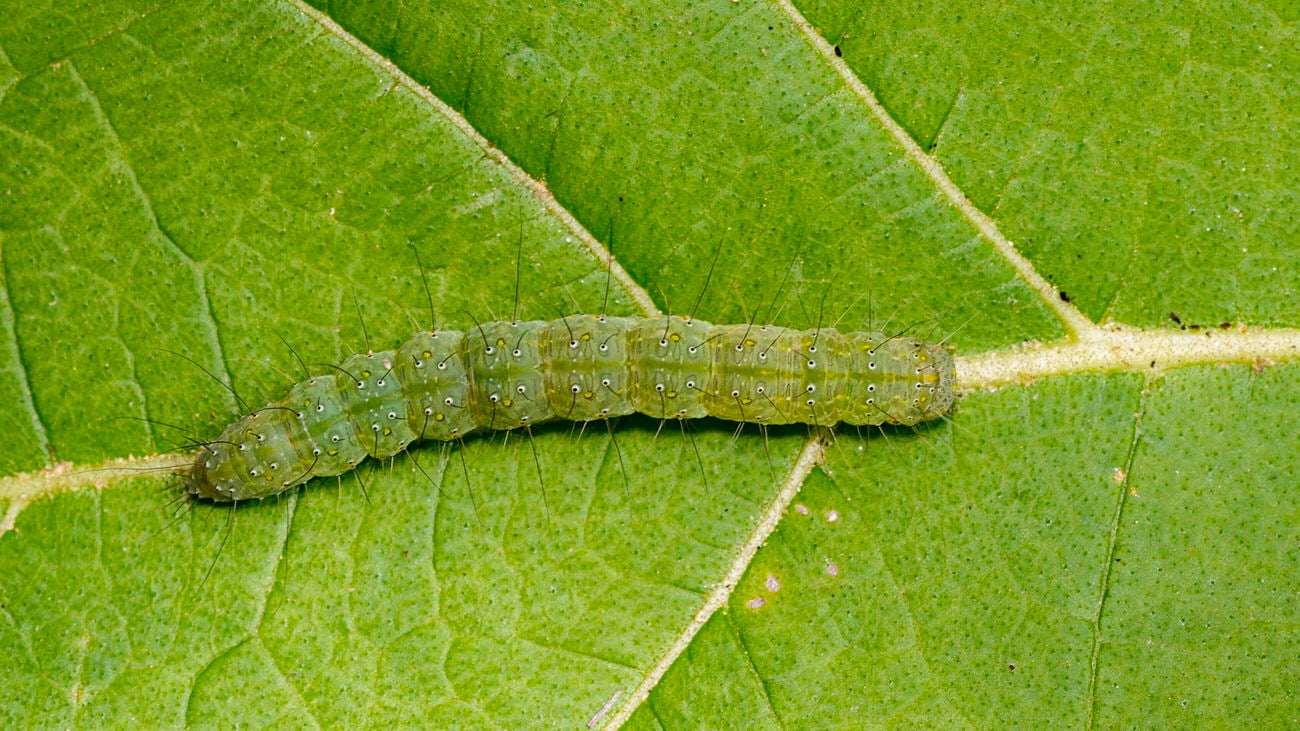
How to identify caterpillar damage in your garden
Chewed leaves, tiny dark droppings, disappearing seedlings and ragged holes through herbs and leafy greens are classic signs caterpillars are at work. These hungry pests become increasingly active during spring and summer.
How to prevent and treat caterpillar damage to your plants
Physical barriers can help to prevent butterflies and moths from laying their eggs on vulnerable plants. “Fine insect netting can be draped or secured over many plants to help exclude butterflies and moths, and can be left in place while plants continue growing,” says Angie Thomas.
If caterpillars are spotted, picking them off plants is one of the simplest control methods in small gardens, while larger infestations may require organic or conventional sprays labelled as suitable for caterpillars.
How to spot fruit fly damage
As temperatures rise, Queensland fruit fly and Mediterranean fruit fly activity increases across many parts of the country, particularly in warmer regions. These destructive pests target a wide range of fruiting crops, including tomatoes, stone fruit, citrus and tropical fruits. Stings or marks on ripening fruit, soft patches and maggots inside fruit are telltale signs fruit fly is present.
How to prevent and treat fruit fly damage in your garden
- Promptly removing fallen and infested fruit and disposing of it in the bin can help reduce fruit fly populations and prevent new generations from developing.
- “Physical barriers such as fruit tree netting or organza bags placed over individual fruit may also help prevent damage, while fruit fly traps can assist with monitoring and reducing activity,” says Angie.
- In severe cases, targeted fruit fly sprays or baiting systems may be needed during peak activity periods.
Keep in mind...
- If using products to deal with pests, diseases or weeds, always read the label, follow the instructions carefully and wear suitable protective equipment.
- Store all garden chemicals and products out of reach of children and pets.
- After applying fertiliser around edible plants, delay harvesting for a few days and rinse well before cooking and eating.
Need ideas to keep your garden bug-free?
Read our article on how to detect, treat and prevent lawn pests and diseases.
Photo credit: Adobe Stock.
Some advertised services and products are not available at some Bunnings stores, but products can be ordered.


 Lowest Price Policy^
 Free delivery* with
 4 hour Click & Collect
 Easy in-store Returns

![Cluster of ripening tomatoes on the vine among green leaves with signs of pest damage]](https://media.bunnings.com.au/api/public/content/c6736adae3104be1b495788db424c44c?v=73677262&t=w1100dpr2)


 Get Inspired
 Ask Questions
 Share Projects