


 Lowest Price Policy^
 Free delivery* with
 4 hour Click & Collect
 Easy in-store Returns
How to grow leopard plant (Ligularia)

A gorgeous foliage plant with dinner plate-sized leaves, a leopard plant will add colour and interest to your shady garden or water feature. Learning how to grow a leopard plant, otherwise known as Ligularia, is easier than you think.
What you need to know about leopard plant
Name: leopard plant, Ligularia (Farfugium japonicum)
Height: 60cm tall and wide
Climate: cold temperate, temperate, sub-tropical, tropical.
Soil: moist, well-drained soil with plenty of organic matter.
Position: hardy in light, filtered shade under trees. Protect from hot sun.
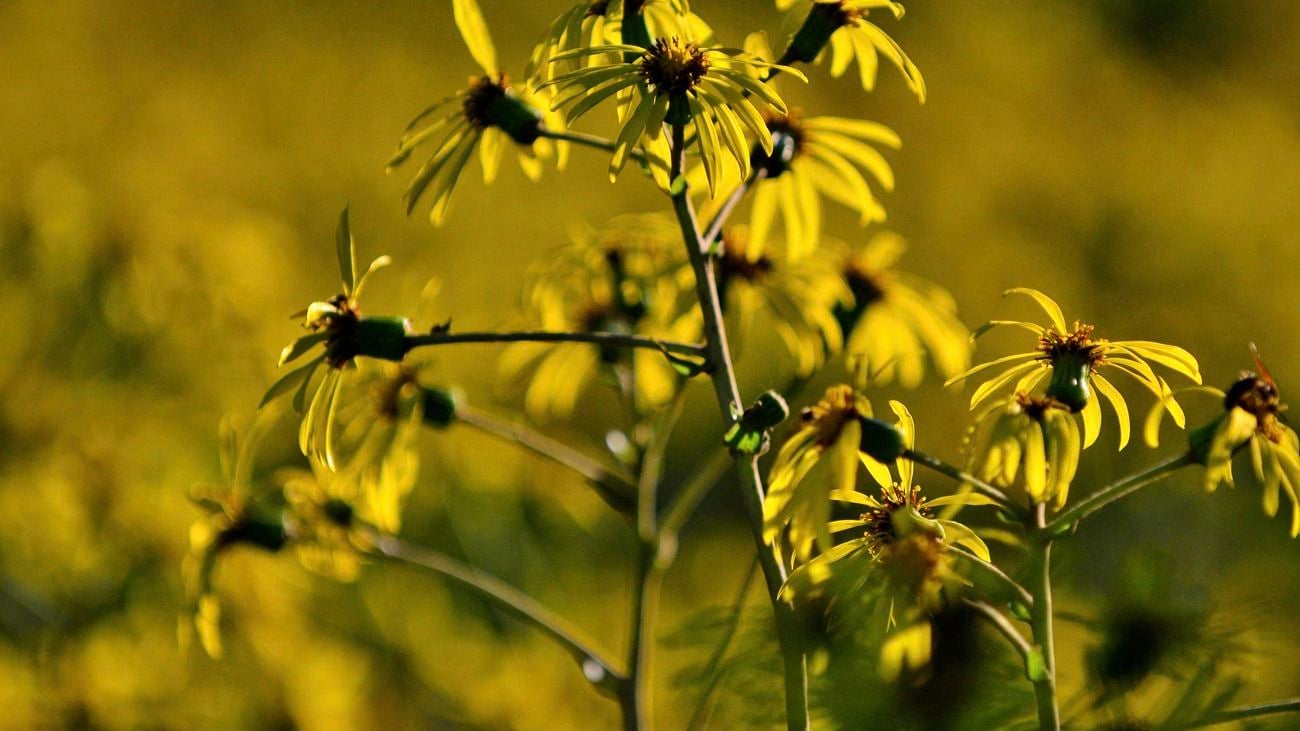
Flowering: small yellow daisy-like flowers.
Foliage: large, leathery, round or kidney-shaped leaves with white, yellow or cream markings.
Feeding: feed in spring with general-purpose fertiliser.
Watering: water regularly to keep soil moist, particularly in hot, dry weather.
Appearance and characteristics of leopard plant
This bold foliage plant has spectacular dinner plate-sized rounded, kidney shaped or ruffled leaves. Some are variegated in cream and white, or have bold yellow “leopard” spots. Small yellow daisy-like flowers appear on long stems (up to 100cm) in late spring and summer, but this plant is mostly grown for its striking foliage.
Uses for leopard plant
This plant is great for containers or borders in part or light shade. It makes a gorgeous addition to a shady tropical-style foliage garden, or looks perfect mass-planted around a water feature as a striking accent plant.
How to plant and grow leopard plant
- Choose a spot in the garden with rich, moist soil in partial shade, protected from strong winds and hot summer sun. Too much sun and the leaves will wilt or burn.
- Dig a hole and place the plant in the hole at the same level it was in the pot.
- Carefully tamp the soil down, and then water well.
Caring for leopard plant
Water your leopard plant regularly, especially during hot dry weather, and don’t ever let it dry out. Keep it moist when it’s actively growing in spring and summer. Give it a feed in spring with a good-quality general-purpose pellet fertiliser or liquid feed, always following the directions on the packet.
Diseases and pests
Slugs and snails love to eat leopard plant’s big juicy leaves, so make sure you protect them by scattering snail bait, or you could try a snail trap.
How to propagate leopard plant
Leopard plant is easily divided in spring. Simply dig and divide the clumps using a sharp knife or spade, then replant or pot up the new plants.
If you like this then try
Clivia: shade-loving with strappy green leaves and vivid orange flowers.
Philodendron: a must-have plant for sun or shade in tropical-look gardens.
Fuchsia: flowers in vivid shades of pink, red and purple below lush green foliage.
Start planting today
Check out our huge range of plants now and get your garden growing!
Suggested products


More D.I.Y. Advice


 Get Inspired
 Ask Questions
 Share Projects
Bunnings Workshop is an online community for D.I.Y. and gardening discussion. Get your questions answered at workshop.bunnings.com.au