


 Lowest Price Policy^
 Free delivery* with
 4 hour Click & Collect
 Easy in-store Returns
How to deep clean your kitchen, bathroom and garage
By /

Tackle the hardest-working rooms in your home with the deepest of spring cleans.
For a truly sparkling home – including the bits that are usually neglected – a gloomy winter’s day is the perfect time to give out-of-sight, out-of-mind spaces a good deep clean. Interior stylist Tilly Roberts advises starting by sorting items into keep/donate/dispose piles. “There’s no point cleaning around things you don’t need,” she says. Then try these tips.
Tip: Always wear the appropriate safety equipment (safety glasses, gloves, ear muffs and a mask, for example) and always follow the instructions for the product or equipment.
At a glance: How to deep clean your home
- Kitchen: Clean inside and on top of cupboards, behind the fridge and oven, degrease cooking areas and get into corners with a damp cloth or scrubbing brush.
- Bathroom and laundry: Spray bathing and vanity areas and toilet first, then wipe down walls, windows, vents and light fixtures before going back to clean the bath, shower, sink and toilet.
- Garage: Brush walls, dust shelves and sweep away cobwebs, using a leafblower to clean dusty spots.
How to deep clean your kitchen
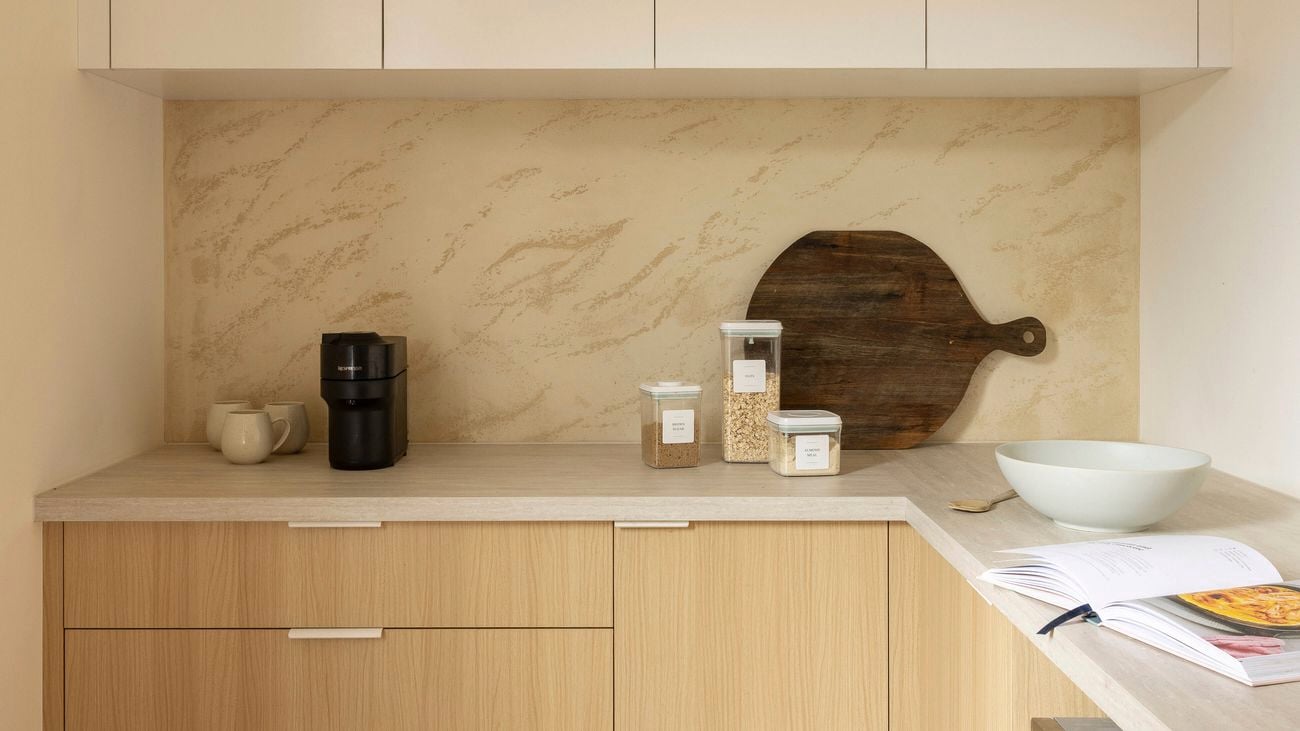
Work from top to bottom when doing a deep clean and declutter of your kitchen, and tackle heavy-hitters like stovetops, ovens and microwaves. Here are six areas to pay close attention to when cleaning your kitchen:
- Declutter and reset: Take everything out of cupboards and drawers, and use a microfibre cloth and dishwashing solution to clean the interiors thoroughly. Don’t neglect cupboard tops, which are often missed.
- Clean bins thoroughly: Remove the bins from the bin cabinet, vacuum out any dry detritus, then wipe clean.
- Degrease kitchen spaces: “On stovetops, rangehoods and splashbacks, apply a suitable degreaser and let it sit briefly,” suggests Tilly. “Wiping it off immediately just smears the grease around.”
- Clean out the fridge: Wipe the fridge door seal with white vinegar diluted with water. If it’s very grubby, scrub gently with an old, soft-bristle toothbrush.
- Clean behind frequently used kitchen appliances: “If possible, pull out the fridge and oven,” says Tilly. “Clean behind and underneath, as this is where dust, grease and even pests tend to accumulate.” Make sure to first switch off then unplug appliances.
- Pay special attention to the floor: For tiled floors, tackle corners and crevices that the mop may miss with a damp cloth or scrubbing brush.
How to deep clean the bathroom and laundry
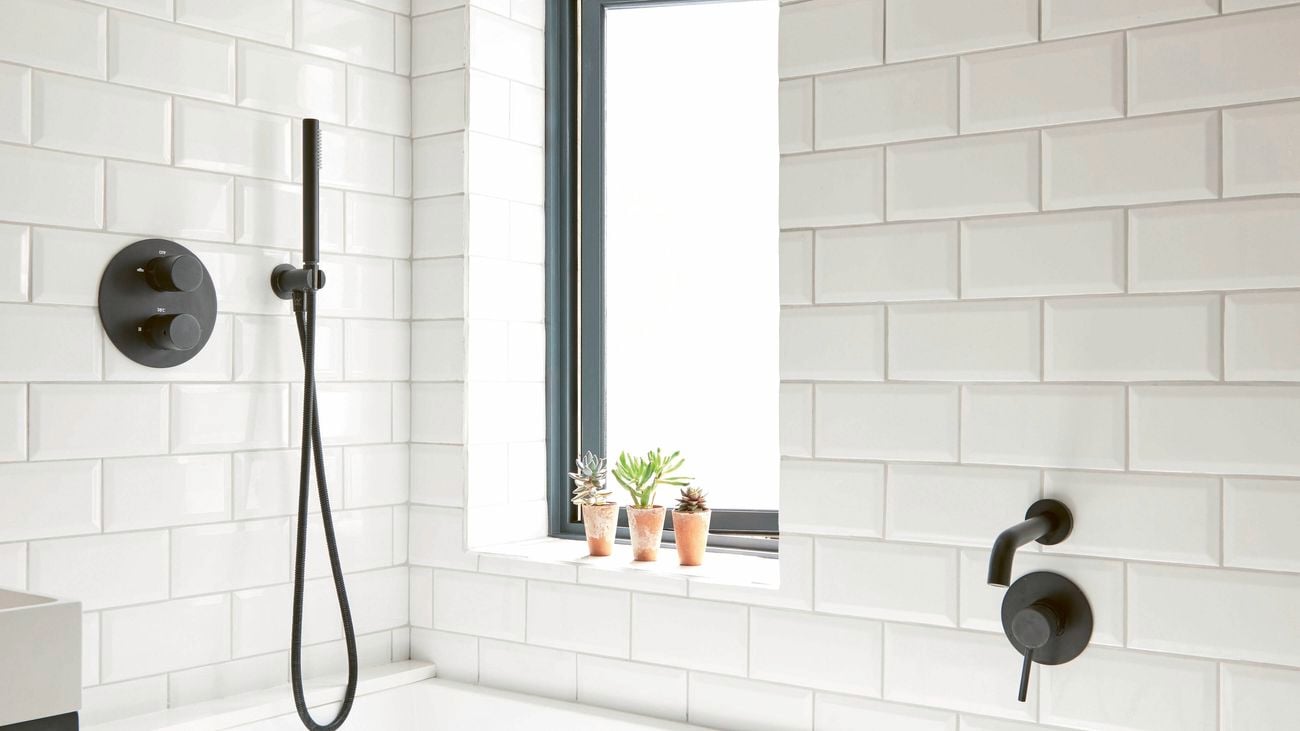
It’s all about soaking fixtures, and focusing on the big hitters including the bathtub, shower, toilet, counters and sinks when it comes to cleaning your bathroom and laundry. Here are six tips to get these areas sparkling clean:
- Break down the grime: “Spray your shower, tub, sink and toilet with cleaner first, then leave it for 10-15 minutes,” says Tilly. “This lets soap scum and grime break down so you’re not scrubbing as hard later.”
- Dust and wipe: Wipe down walls and dust horizontal surfaces such as the tops of tiles, windows and skirtings.
- Choose the right cleaning accessories: “Use the right tools for tight spots,” suggests Tilly. “A grout brush or even an old toothbrush is perfect for corners, tile lines and around fixtures.”
- Tackle bathroom and laundry mould: Deal with mould marks on shower or bath sealant with a proprietary cleaner. Read the instructions carefully before use, and ventilate the room thoroughly.
- Wash the windows: Scrub frosted windows, inside and out (if possible), with dishwashing solution and a soft-bristle brush.
- Clean vents and light fixtures: “Cleaning these improves air quality and prevents mould spread,” says Tilly. Always turn off the power first and read the manufacturer’s cleaning instructions. Don’t use a damp cloth on electrical fittings, and allow to dry completely before switching the power back on.
What is the best way to clean your garage?
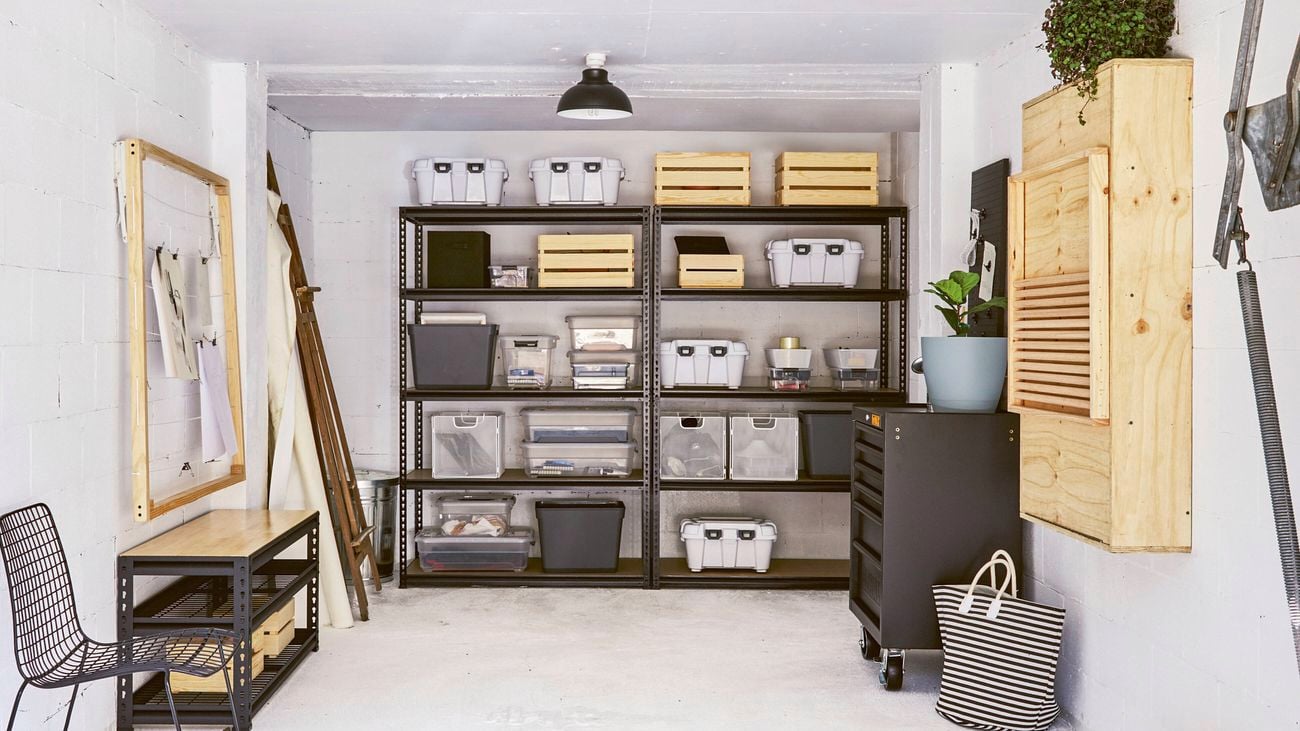
If your garage needs a deep clean pulling everything out and sorting through what’s currently in there is a good place to start. Here are four ways you can get your messy garage in tip-top order again:
- Clean your garage in sections: “Work in zones and finish one completely before moving on,” says Tilly. “This prevents that overwhelming ‘half-cleaned everywhere’ feeling.”
- Focus on cleaning garage walls: Use a cobweb broom along walls, in corners and along the ceiling line. Brush down walls with a stiff broom, and dust shelves and surfaces before replacing everything you’re keeping (see our storage suggestions, below).
- Use a leaf blower or shop vac: “Blowing or vacuuming out dust and debris (starting from the back and working toward the door) is much faster than sweeping alone.”
- Use a heavy-duty floor cleaner in your garage: Clean floors with a degreasing solution. “Oil stains need more than water, so use a proper, heavy-duty degreaser and a stiff brush. Let it sit, scrub, then rinse for best results,” says Tilly.
How to organise your garage using storage
Once it’s clean, separate tools, gardening, automotive and sports gear using modular shelving systems, suggests Terri Wolff, Bunnings garage organisation buyer.
“Use storage units with drawers or lockable cabinets to safely store tools, chemicals and small parts, and store heavier or frequently used items at waist height,” she adds. Try the roof zone for large items like surfboards, and specialist wall hooks for bikes.
Tip: Here’s how to organise your garage in five simple steps.
How to organise your laundry using storage
Make the most of wall space with pegboards, hooks and adjustable shelving for storing clear, stackable containers, says Terri. Look for furniture with dedicated storage, like integrated hampers or combined sink and drawer units.
Keep in mind…
- Check manufacturer’s manuals for advice before cleaning appliances.
- Wear a mask and gloves for serious cleaning tasks and store all cleaning products out of reach of children and pets.
Before you begin the spring clean…
Read our article on how to declutter your home: 16 easy tips.
Photo credit: Kaboodle Kitchen, Gap Photos/Francine Kay, James Moffatt.
[disclaimers]
Some photographs feature products from suppliers other than Bunnings.


 Get Inspired
 Ask Questions
 Share Projects
Bunnings Workshop is an online community for D.I.Y. and gardening discussion. Get your questions answered at workshop.bunnings.com.au
Get inspired by projects from the Bunnings Workshop community
Health & Safety
Asbestos, lead-based paints and copper chromium arsenic (CCA) treated timber are health hazards you need to look out for when renovating older homes. These substances can easily be disturbed when renovating and exposure to them can cause a range of life-threatening diseases and conditions including cancer. For information on the dangers of asbestos, lead-based paint and CCA treated timber and tips for dealing with these materials contact your local council's Environmental Health Officer or visit our Health & Safety page.
When following our advice in our D.I.Y. videos, make sure you use all equipment, including PPE, safely by following the manufacturer’s instructions. Check that the equipment is suitable for the task and that PPE fits properly. If you are unsure, hire an expert to do the job or talk to a Bunnings Team Member.