


 Lowest Price Policy^
 Free delivery* with
 4 hour Click & Collect
 Easy in-store Returns
Your four-week spring garden planner
By /

Grab the gloves, there’s lots to do as your yard wakes from its long winter sleep.
The most fabulous season of the gardening year is here! Spring is an exciting time of jubilant renewal, as plants from the smallest annuals to the tallest trees burst into bloom and throw out vigorous new growth. Even non-gardeners can be smitten, letting out the occasional ‘wow!’ at this wonderful show. For those with green thumbs, it’s an inspiring and satisfying time when they reap the rewards of all the care they’ve lavished on their plants and gardens. Follow our four- weekend spring garden planner to keep your little piece of paradise looking awesome through spring and in tiptop shape for summer.
Tip: Always wear the appropriate safety equipment (safety glasses, gloves, ear muffs and a mask, for example) and always follow the instructions for the product or equipment.
Garden planner: Weekend 1
All that growth after a winter hiatus means fertilising is a priority.
- Feed your plants. With the arrival of spring, your plants and lawn will be chewing through their stored energy – so now is a good time to top up the tank. For hassle-free feeding, apply a controlled-release fertiliser that will provide a steady supply of nutrients. These come in a range of blends formulated as ‘all purpose’ or for different plant types such as natives, ornamentals, citrus and vegetables.
- Lawn care and food. Use a hose-on or granular fertiliser, ensuring you choose a product that’s suitable for your grass type.
- Watch your soil. It’s important to pay attention to what goes on beneath the surface, too. Microorganisms in the soil convert the nutrients from fertilisers, enabling plants to feed more efficiently. An application of an organic fertiliser such as manure or compost, plus mulch to help retain moisture, will give those soil workers a boost.
- Use probiotics for beneficial bacteria. To give your soil a serious kickstart, apply a probiotic formula such as Neutrog Popul8 to boost beneficial bacteria. Healthy, biologically active soil will also help reduce nutrient runoff into surrounding waterways or bushland.
Garden planner: Weekend 2
Renovate the vegetable patch and give the yard a spring-clean.
- Weed your vegie patches. If you’ve been holding on to the last of your winter vegies, it’s time to get ruthless and pull them out. Then improve the soil to suit your new crops by forking through appropriate composts or manures, water well and leave to sit for a week before you start planting.
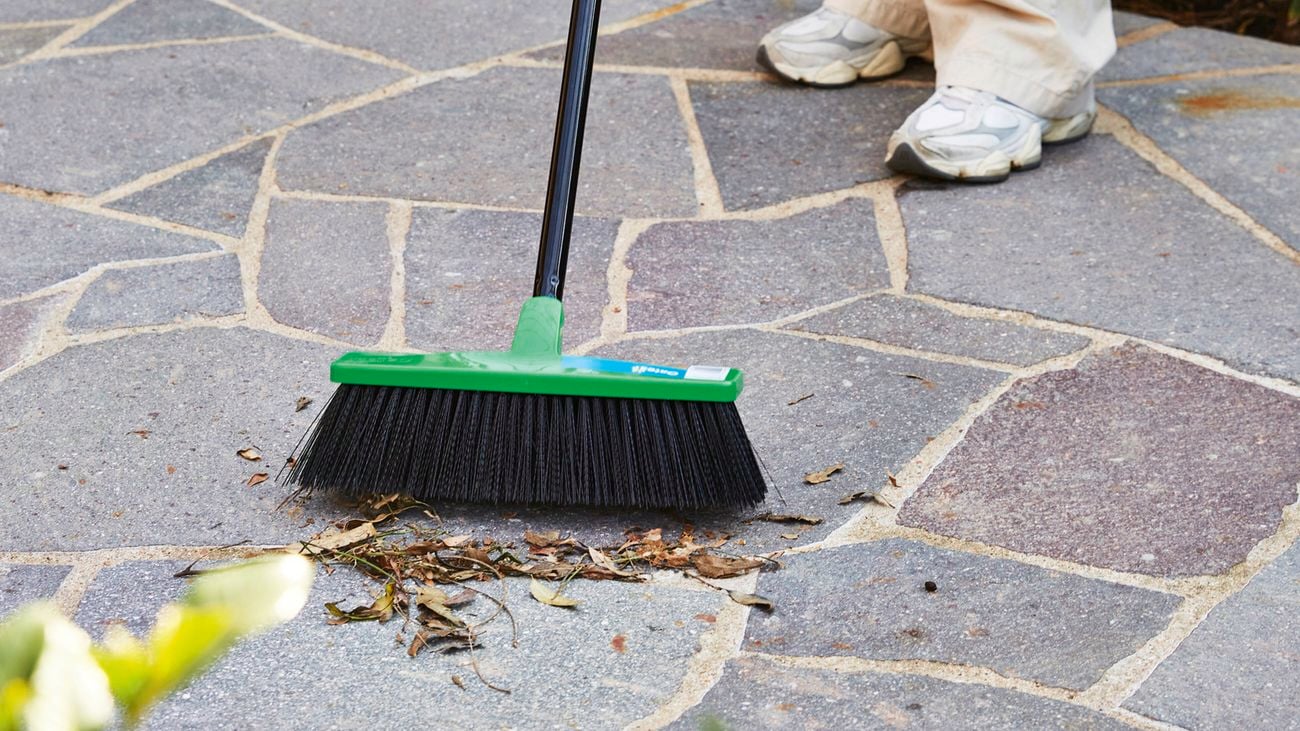
- Get busy tidying. Post winter, you’ll find there can be all manner of jobs to be done. Remove leaves and fallen twigs and branches from garden areas and give paths, patios, decks and driveways a pressure wash if they’ve become mucky and slippery over winter. Remember to dial down the pressure on treated pine decks.
- Give the lawn a going-over. Chances are your grass is looking a wee bit scruffy after winter. Be vigorous with a steel spring tine lawn rake to pull out any dead material.
- Deadhead flowers as they finish. This will keep the garden looking neat and, in many cases, bring on a second flush of flowers.
Garden planner: Weekend 3
Start planting edibles and introduce some colour for new-season wow.
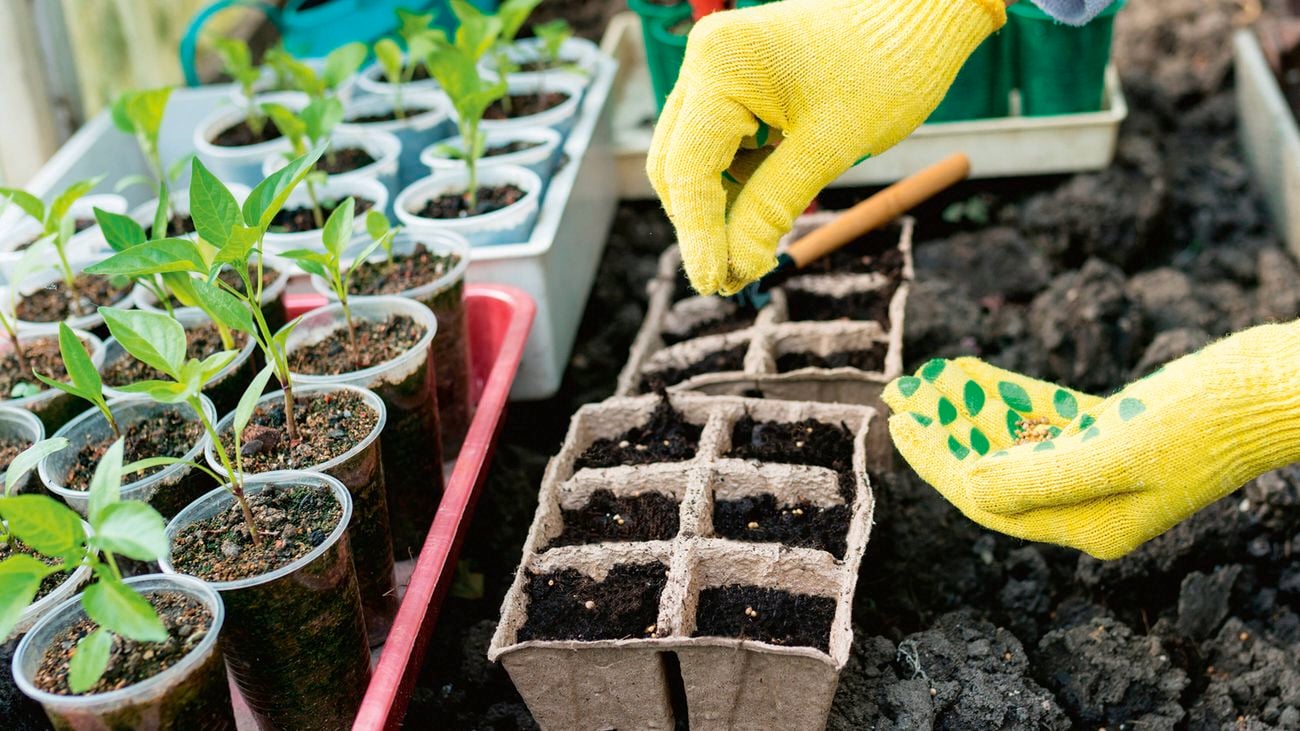
- Plant herbs. One of the most economical ways to grow vegetables and herbs is from seed. Check the packet for instructions, as many can be sown directly into garden beds.
- Container growing. If starting seed in containers, sow in a quality seed-raising mix in small pots or, to make life easier and reduce the risk of transplant shock, use biodegradable peat pots. With these, you can plant the entire pot once your seedlings are ready to go into the ground.
- Add a splash of colour. Many gorgeous flowers are easy to grow from seed. You’ll be improving your vegie harvest, too, as flowers attract pollinators that will visit the blooms on your food plants, increasing the fruiting rates.
- Look for new varieties of plants. Be inspired by the huge range of plants now in store and introduce new colour plus interest to the garden. Look out for flowering beauties such as azaleas and rhododendrons, or fruiting favourites including citrus and passionfruit.
Garden planner: Weekend 4
For healthy soil and plants, water well and wisely, and make the most of mulch.
- Adjust watering patterns. The ground can be slow to dry over winter, but this can change very quickly come spring. Adjust your watering patterns to suit, always checking soil conditions before watering.
- Focus on plant watering. When hand-watering, focus on the plants, not entire beds, to help save water. Avoid wetting the flowers, particularly the more delicate ones, as this can lead to fungal problems which may result in an early loss of blooms.
- Top up your mulch. With the summer months fast approaching, now’s the time to add or top up mulch to help retain moisture, suppress weeds and improve soil health. To give your plants an extra boost, you can spread manure or compost first, then mulch over the top (see ‘Mulch musts’, below).
Tip: If you plan to use one of the more pungent pelletised fertilisers, spread it before you apply mulch to help block the smell.
Tips for growing vegetables in pots in your garden
Many traditional garden vegetables can be grown in pots, even the tallest of tomatoes. Follow these tips for a thriving kitchen garden.
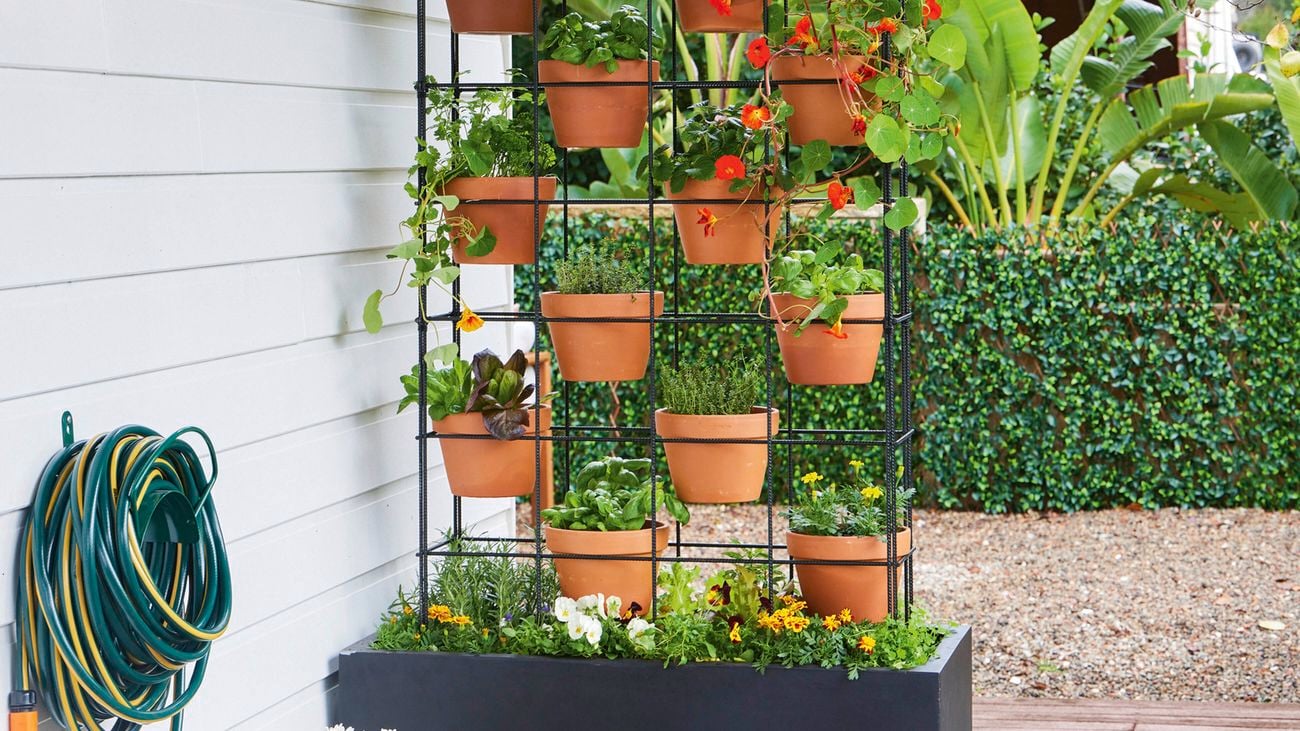
- Ensure pots are a suitable size for the mature plants. They need to be big enough not to become top-heavy when the plant is fully grown.
- Use a premium-quality potting mix – there are special blends for vegetables and herbs, and organically certified options.
- Group plants with similar needs together in one container. For example, leafy crops such as lettuce and spinach grow best with reliable moisture and regular feeding. If in doubt, check their labels or seed packets.
- Grow climbing vegies in larger containers or pots. Securely position a wire trellis or fan in the pot before planting.
- Tomatoes are an ideal choice for growing in pots, and range from vine or climbing, dwarf or bush varieties to tumbling forms for hanging baskets. But bear in mind that most tomatoes require some support as they grow.
- Regular liquid feeding is a must for container-grown herbs and vegies. Choose a nutrient-rich formula full of beneficial microorganisms to bring potting mix to life.
What is the purpose of mulch?
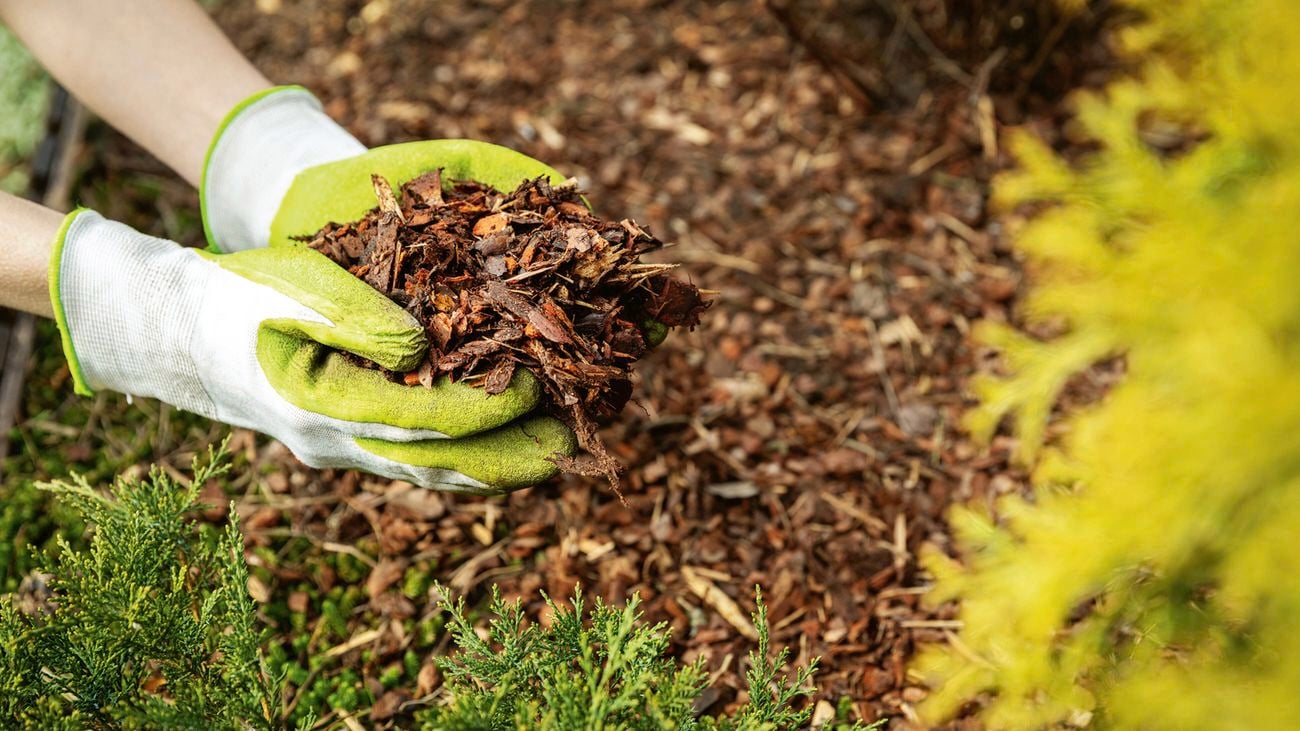
Mulch has an incredible number of benefits. Not only does it conserve soil moisture and help keep soil temperatures more consistent, it also reduces and slows water runoff, which in turn reduces soil erosion. Plus, it adds nutrients and organic matter to the soil as it breaks down. Here’s how to make the most of this invaluable extra layer!
- Always water well before and after spreading mulch.
- In areas where weeds have been a problem, place newspaper (six to eight pages thick) or cardboard over the ground and wet it well before spreading mulch.
- Aim for a mulch depth of about 5cm in vegie and flower beds and keep it at least 5cm clear of plant stems to prevent rot.
- When mulching a new vegetable or flower bed with lucerne or pea straw, do it before planting, then pull the mulch back to create planting holes. This is much easier than trying to mulch around tiny seedlings.
Tip: Apply mulch after you spread any pungent pelletised fertilisers to help block their smell.
Keep in mind...
- Wear gloves and a mask when handling mulch, compost and potting mix and also when pruning, along with long sleeves, as the leaves and sap of some plants can be a skin irritant and cause allergic reactions.
- Store garden chemicals and products out of reach of children and pets.
- Take care when selecting plants as some can be poisonous to children and pets, and check their suitability for your region, as some may be classified as weeds in certain areas.
- After applying fertiliser around edible plants, delay harvesting for a few days and rinse well before cooking and eating.
Is your lawn looking patchy after winter?
Get it looking lush and healthy this spring with these lawn care tips.
Photo credit: Adobe Stock, Jonny Valiant, Sue Stubbs.
Some advertised services and products are not available at some Bunnings stores, but products can be ordered. Some photographs feature products from suppliers other than Bunnings.

Suggested products


More D.I.Y. Advice


 Get Inspired
 Ask Questions
 Share Projects
Bunnings Workshop is an online community for D.I.Y. and gardening discussion. Get your questions answered at workshop.bunnings.com.au
Get inspired by projects from the Bunnings Workshop community
Health & Safety
Asbestos, lead-based paints and copper chromium arsenic (CCA) treated timber are health hazards you need to look out for when renovating older homes. These substances can easily be disturbed when renovating and exposure to them can cause a range of life-threatening diseases and conditions including cancer. For information on the dangers of asbestos, lead-based paint and CCA treated timber and tips for dealing with these materials contact your local council's Environmental Health Officer or visit our Health & Safety page.
When following our advice in our D.I.Y. videos, make sure you use all equipment, including PPE, safely by following the manufacturer’s instructions. Check that the equipment is suitable for the task and that PPE fits properly. If you are unsure, hire an expert to do the job or talk to a Bunnings Team Member.