


 Lowest Price Policy^
 Free delivery* with
 4 hour Click & Collect
 Easy in-store Returns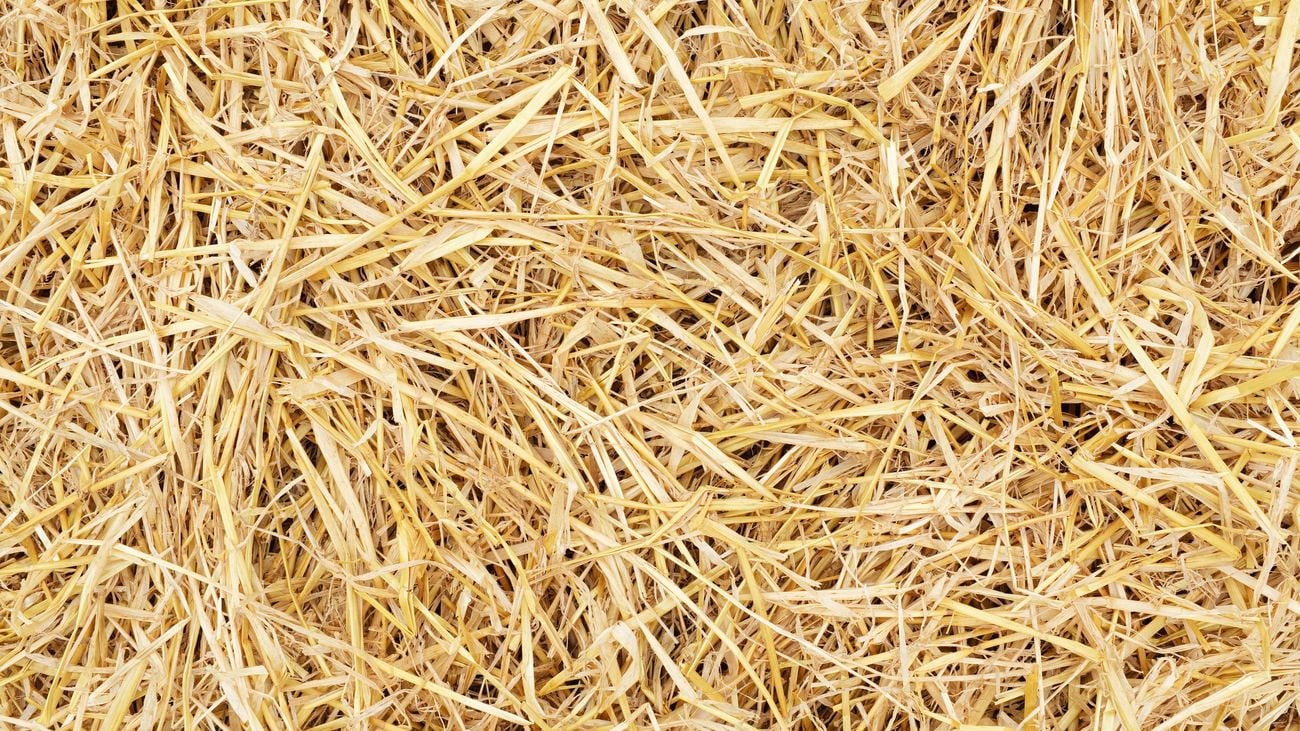

Planting & Growing
How to plant and grow chrysanthemum

Mulch is any material you use to cover the surface of your soil around plants. It keeps the moisture in, stops nutrients from washing away, maintains even soil temperature, and blocks out sunlight to prevent weed growth.
There are many different mulches, both organic and inorganic. Organic mulches include leaves, grass clippings, bark and straw. Being natural, they decompose over time to add nutrients to the soil but often need topping up. While inorganic mulches such as gravel, pebbles, black plastic, landscape fabrics and even old newspaper are longer lasting but don't contribute directly to the soil.
You'll find plenty of mulches on the market but you can also use natural garden wastes. Some work better than others do, so it's important to know a bit about the different types to help you choose what's best for your garden.
Great for vegetable gardens. It decomposes quickly and improves the soil as it decays to help you grow a bumper crop of veggies.
Made from dried sugar cane leaves. It provides an attractive finish in garden beds that also encourages helpful soil organisms.
Great for garden beds and pots. Its dark natural colour blends in with the soil and looks great in any garden.
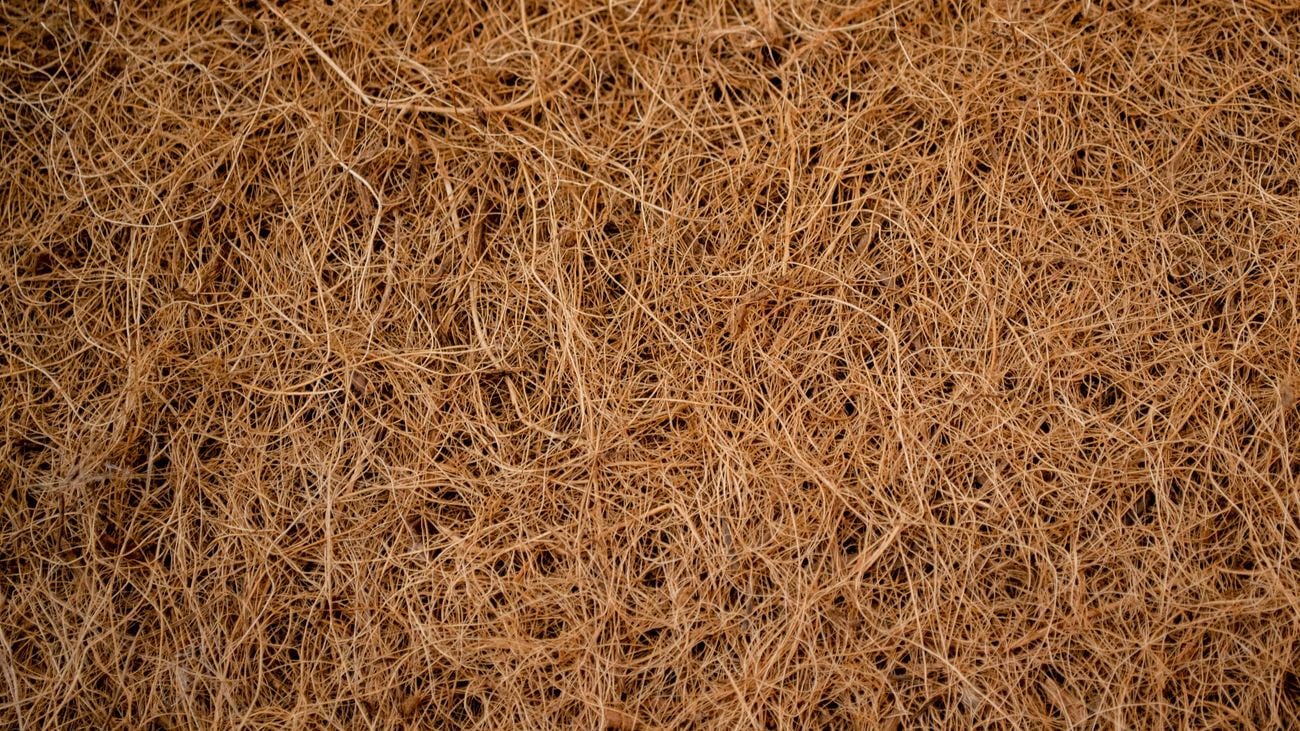
Fibre from the outer husk of coconuts. A more decorative mulch, you can get it in concentrated blocks, which quickly expand when you add water.
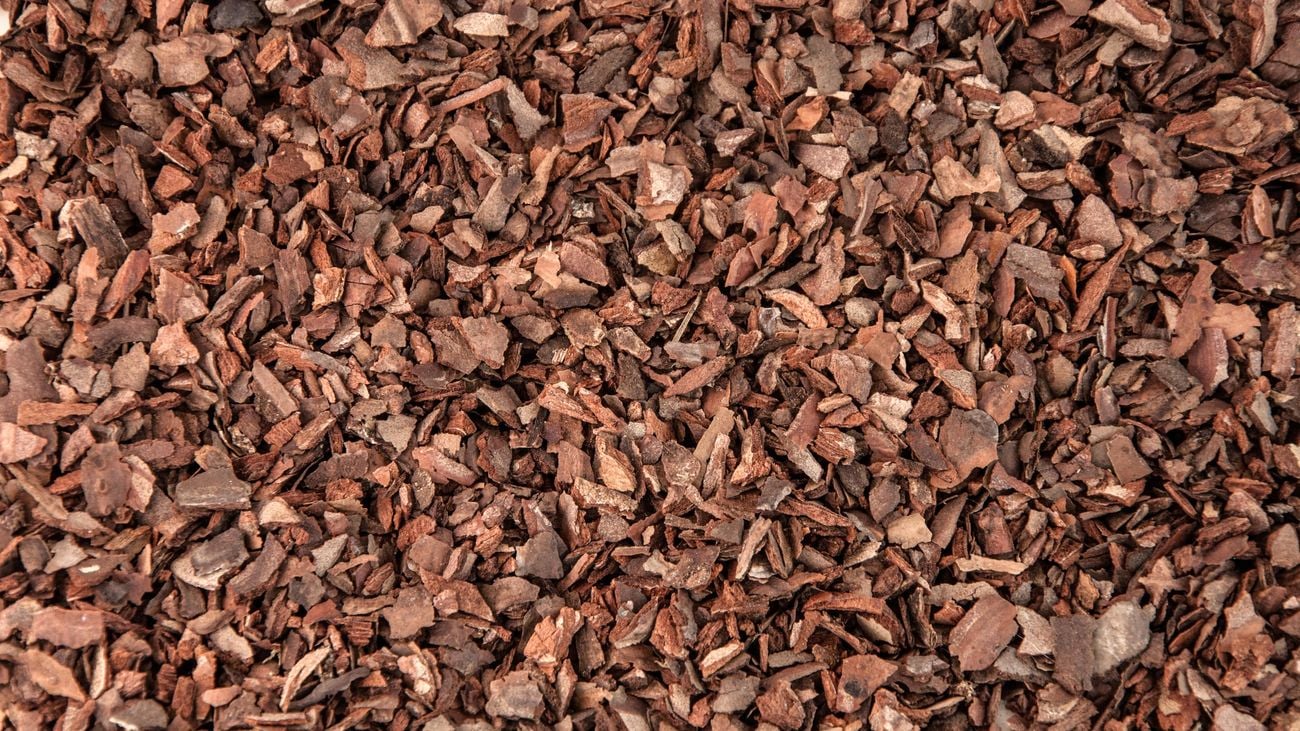
Great for suppressing weeds. It looks good and takes a while to decompose so you don't have to replace it as often.
Has the added advantage of giving your soil extra nitrogen as it breaks down. It's ideal for roses, flowers, vegetables and fruit trees.
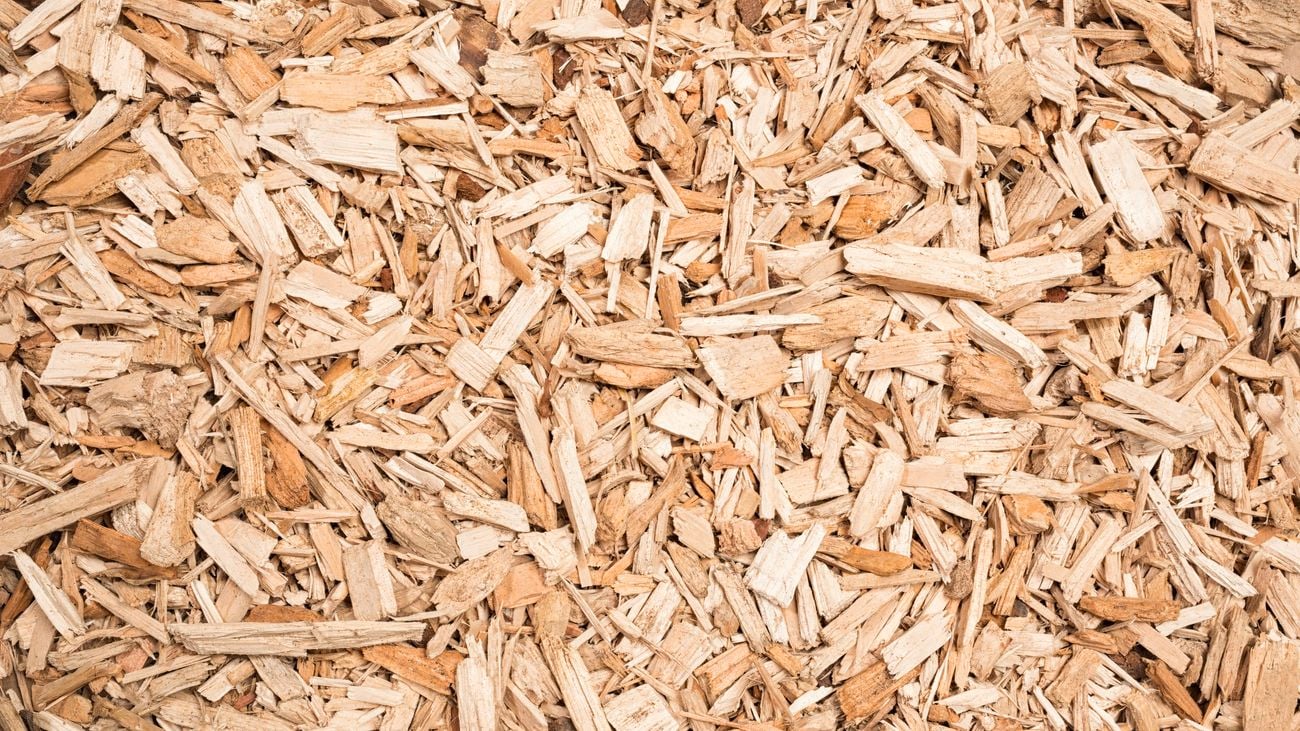
Not only great for mulch but also make an attractive feature in your garden. Putting down a 4–6cm layer provides good weed control.
Great for growing a lush green lawn. After mowing, it's best to dry out your clippings and then add a 6cm layer over your lawn.
Those lying around in your garden can be gathered up and used as mulch. You should shred them first because whole leaves often blow away.
While they don't offer the same soil fertility as organic mulch, synthetic mulches are the best soil insulators because they don't break down. They keep soil warmer for longer, promoting helpful bacteria and can sometimes extend the growth period of your plants.
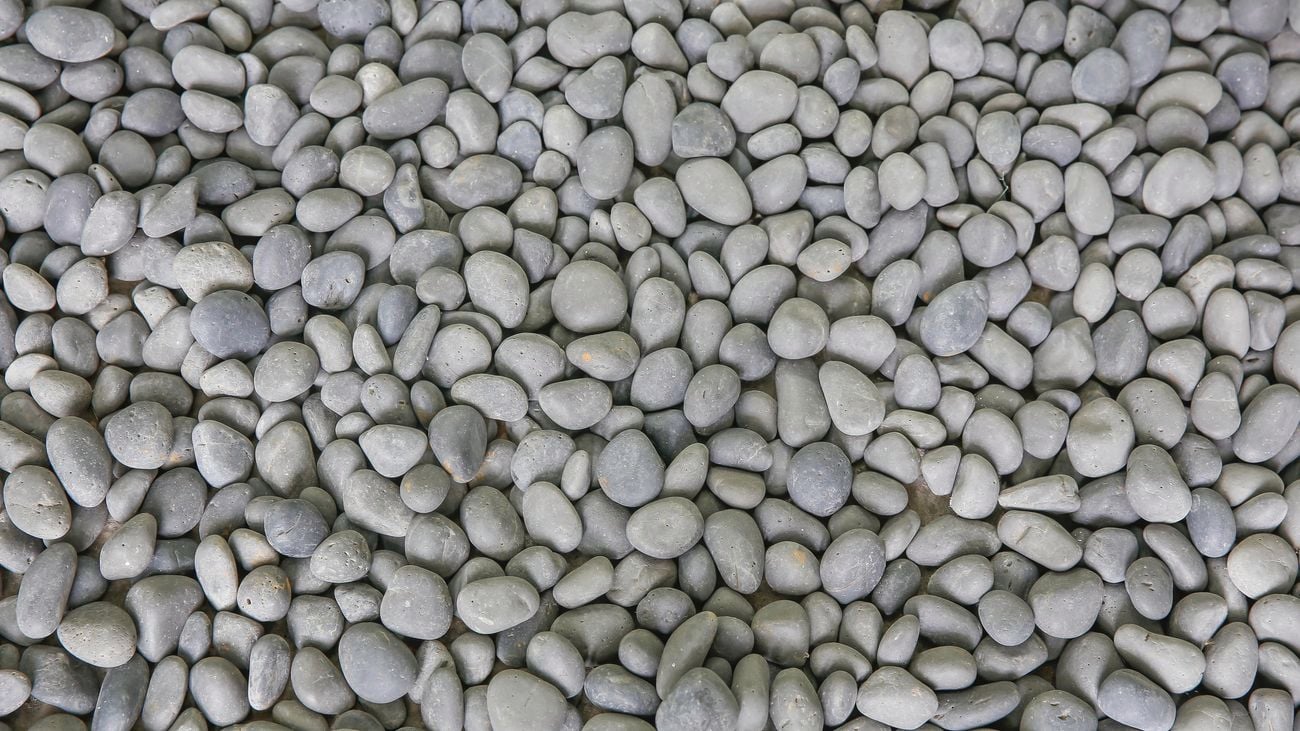
Permanent and best used for foundation plants. They make an appealing design feature that you can enjoy year after year.
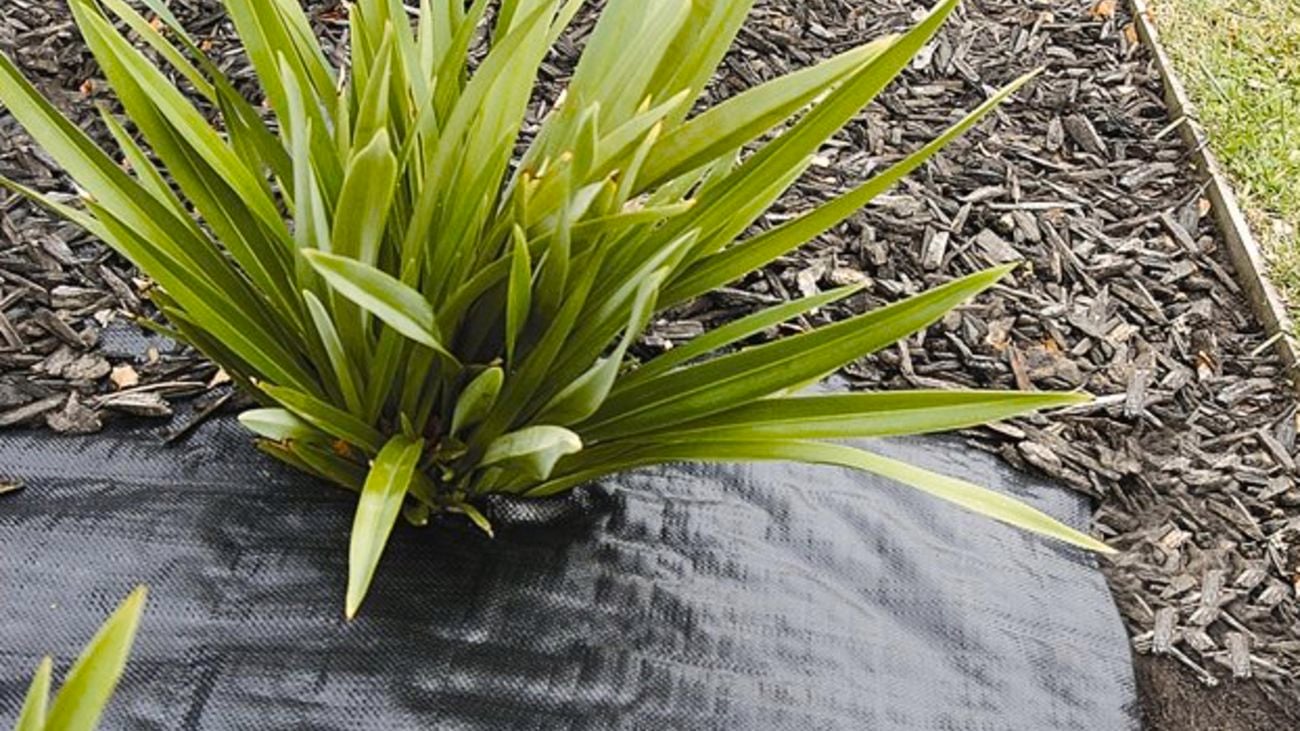
Most effective as weed control. However, it can break down in sunlight so it's best to bury the plastic under your soil so that it lasts longer. It's also a good idea to cut out some holes for water drainage.
Work the same way as plastic but let air and water through better. For best results, add another 6–8cm of organic mulch over the top.
Can be recycled as mulch. Place it down in 10-page layers and throw on some organic mulch like straw to stop it blowing away. The newspaper keeps weeds down and makes the straw last longer.
View our full range of garden supplies
Asbestos, lead-based paints and copper chromium arsenic (CCA) treated timber are health hazards you need to look out for when renovating older homes. These substances can easily be disturbed when renovating and exposure to them can cause a range of life-threatening diseases and conditions including cancer. For information on the dangers of asbestos, lead-based paint and CCA treated timber and tips for dealing with these materials contact your local council's Environmental Health Officer or visit our Health & Safety page.
When following our advice in our D.I.Y. videos, make sure you use all equipment, including PPE, safely by following the manufacturer’s instructions. Check that the equipment is suitable for the task and that PPE fits properly. If you are unsure, hire an expert to do the job or talk to a Bunnings Team Member.


