


 Lowest Price Policy^
 Free delivery* with
 4 hour Click & Collect
 Easy in-store Returns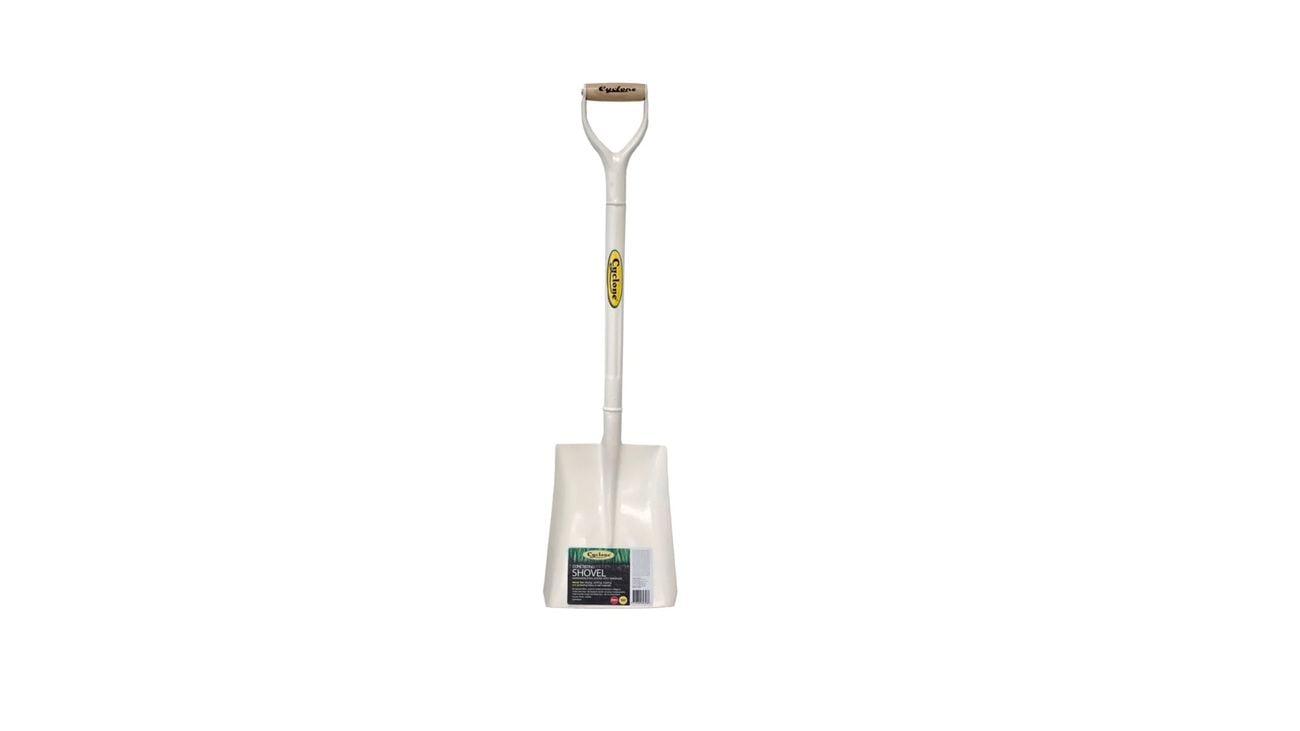

Planting & Growing
How to maintain garden tools

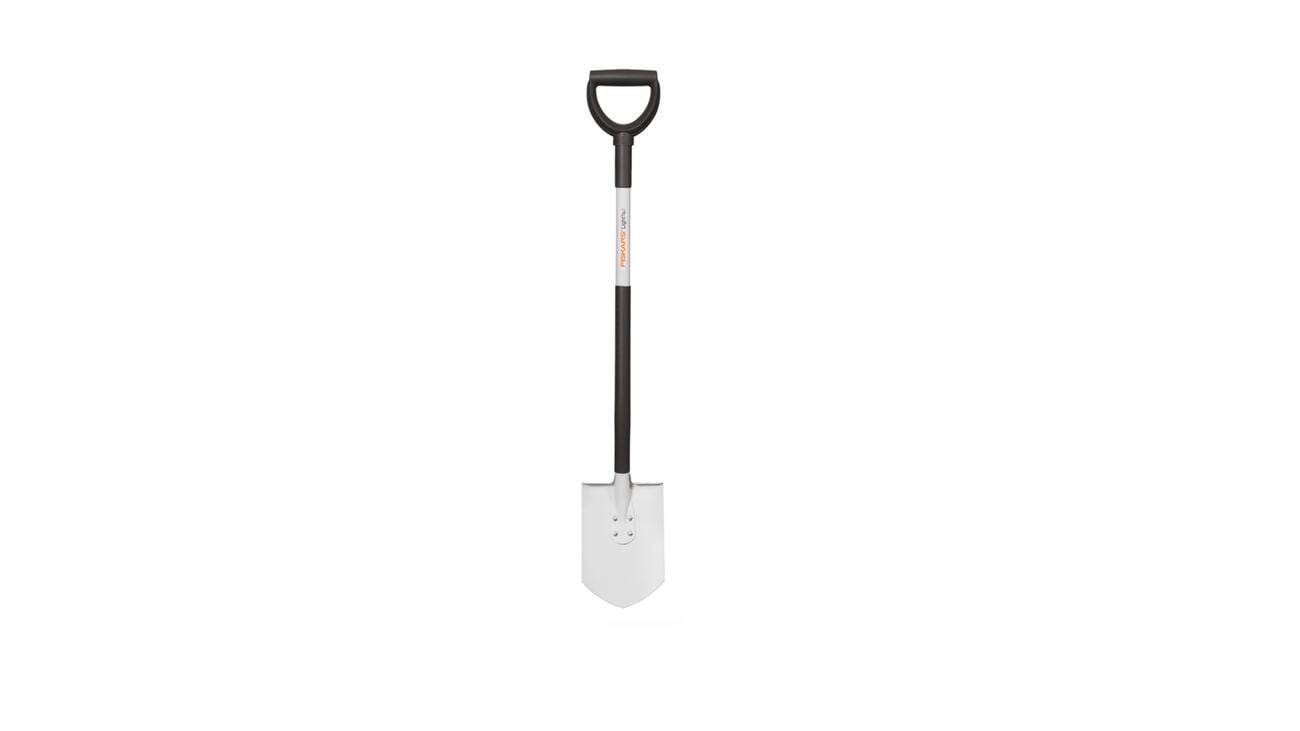
With its sharp flat tips, square shovels are designed for digging in hard-packed soils. They're also ideal for scooping and moving soil, gravel, mulch, sand or rock.
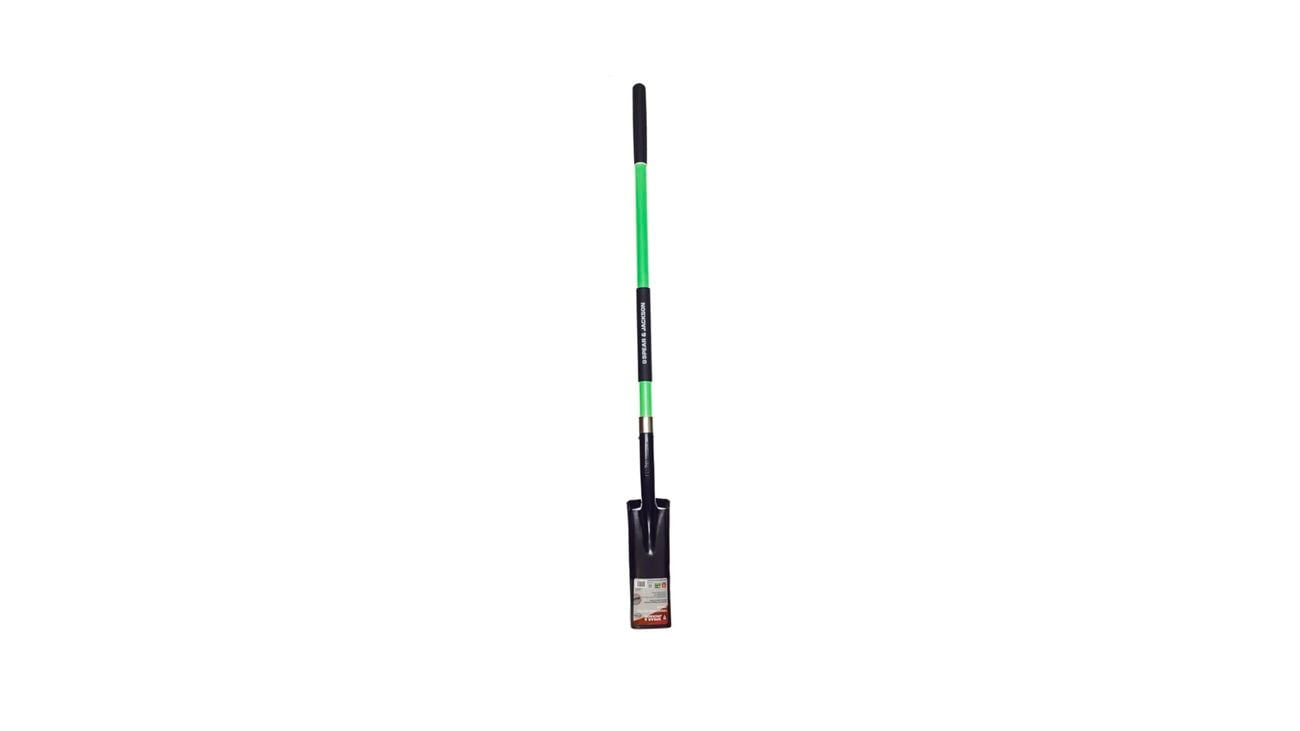
Trenching shovels are good for digging and clearing trenches. Their sharp, pointed tip and squared sides produce clean trench walls. They're also good for laying irrigation pipes or removing deep-rooted plants.
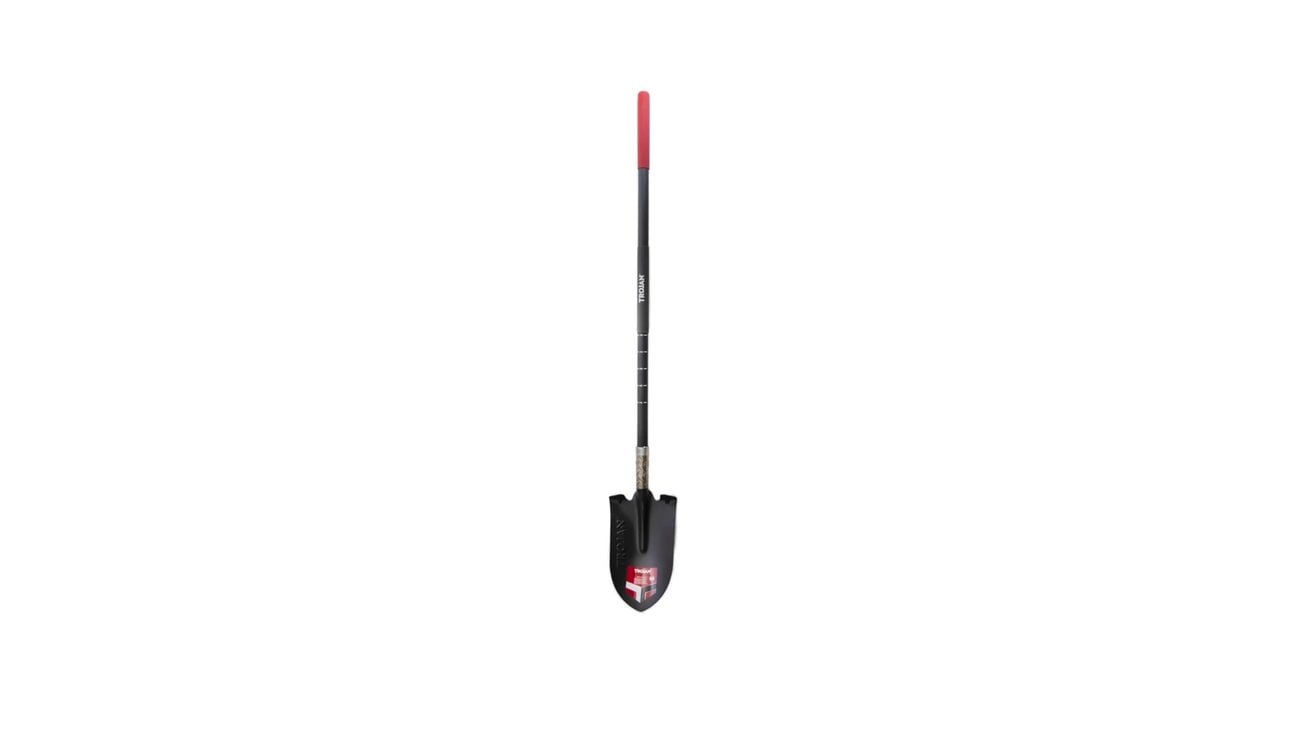
With its narrow blade, the plumber's shovel is designed for digging drains, holes, laying pipe and shifting and spreading soil. It has an extra-long handle for greater leverage.
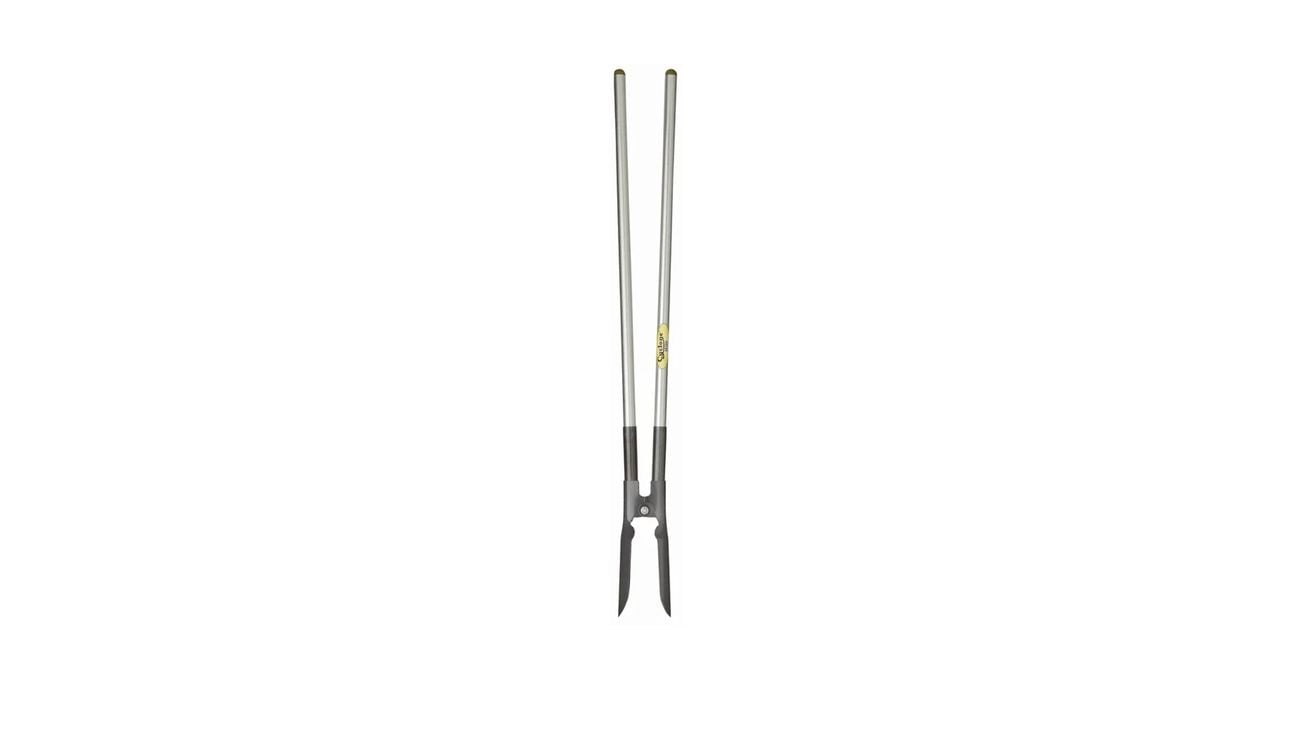
Post hole pincers are two shovels connected by a hinge. They're used to break through loose soil and dig holes to sink fence posts or patio supports and to plant bulbs.
Spades generally have a shorter handle than a shovel. They are used more as a cutting implement to make holes in the ground for planting. They should always be kept sharp with something like a bench grinder.
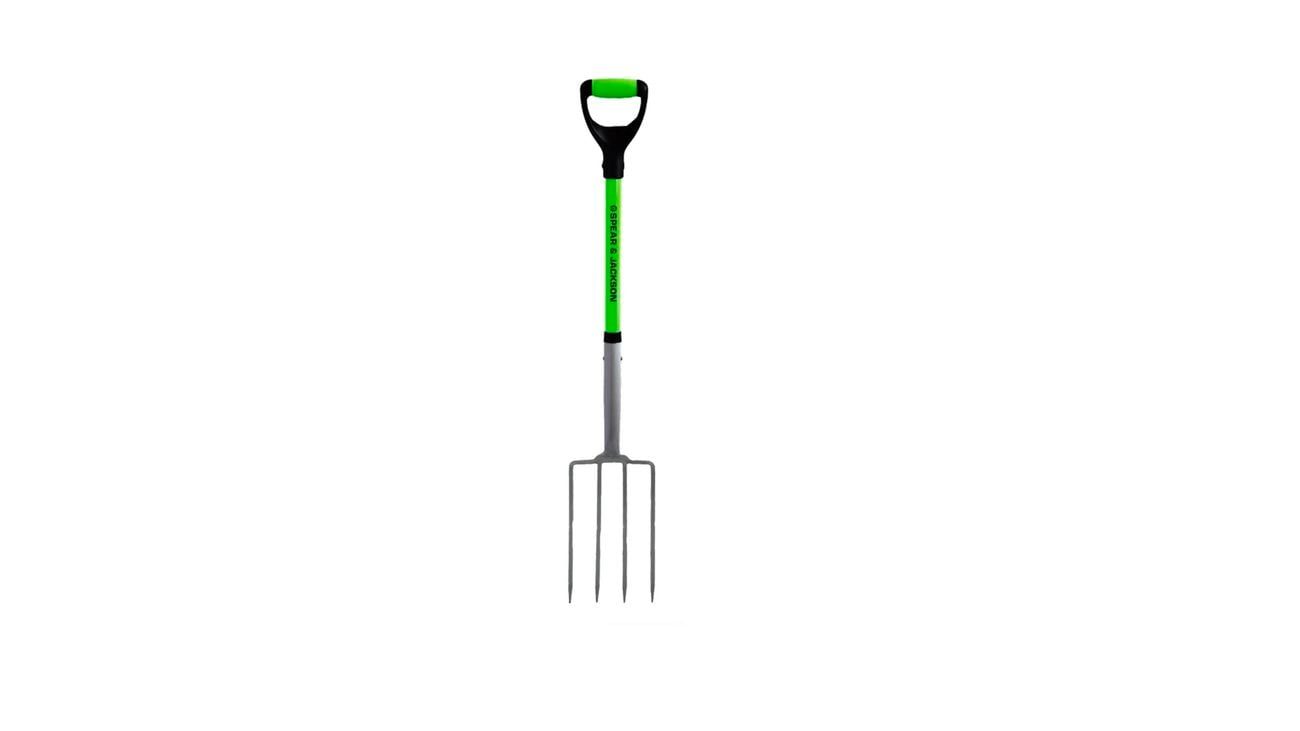
Garden forks are used for breaking up, lifting and turning over soil. They're ideal for working organic matter and fertiliser into the soil.
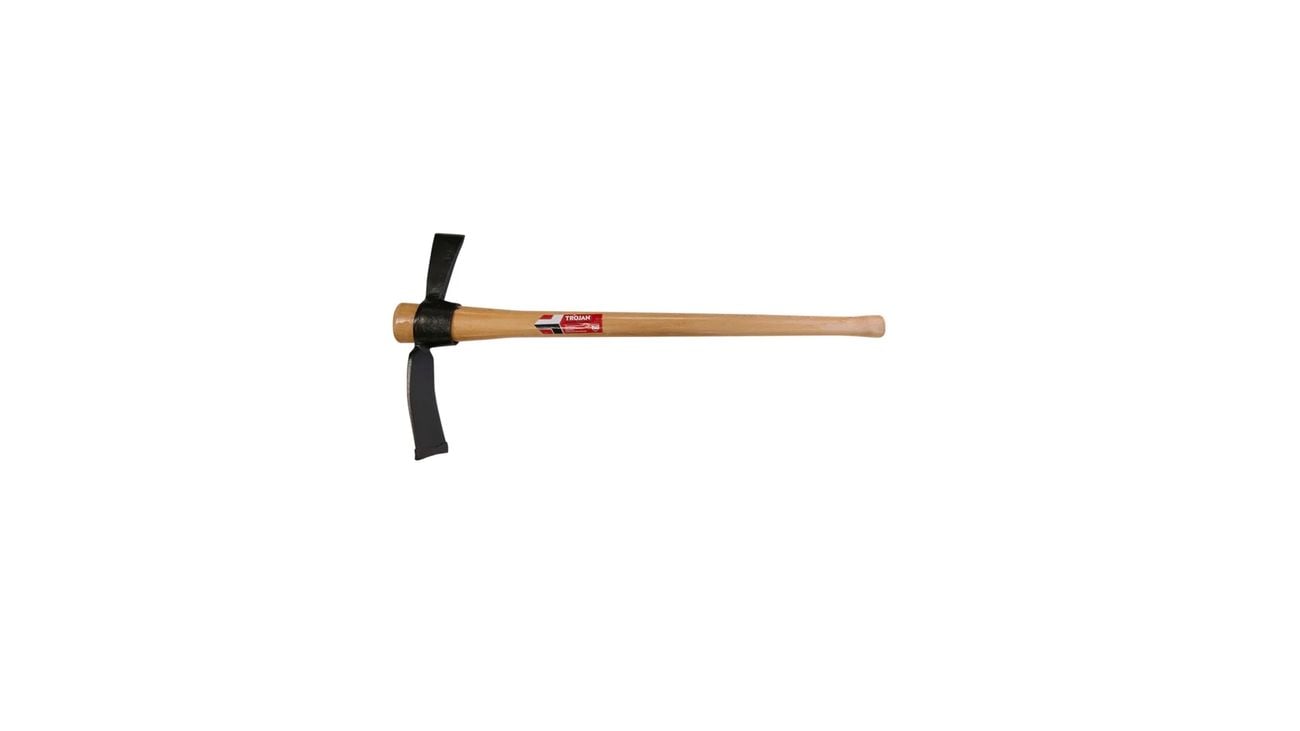
Mattocks are a versatile hand tool that can be used for digging and chopping. They have a long handle, and a head with an axe blade and a cutter for digging up and cutting tree roots.
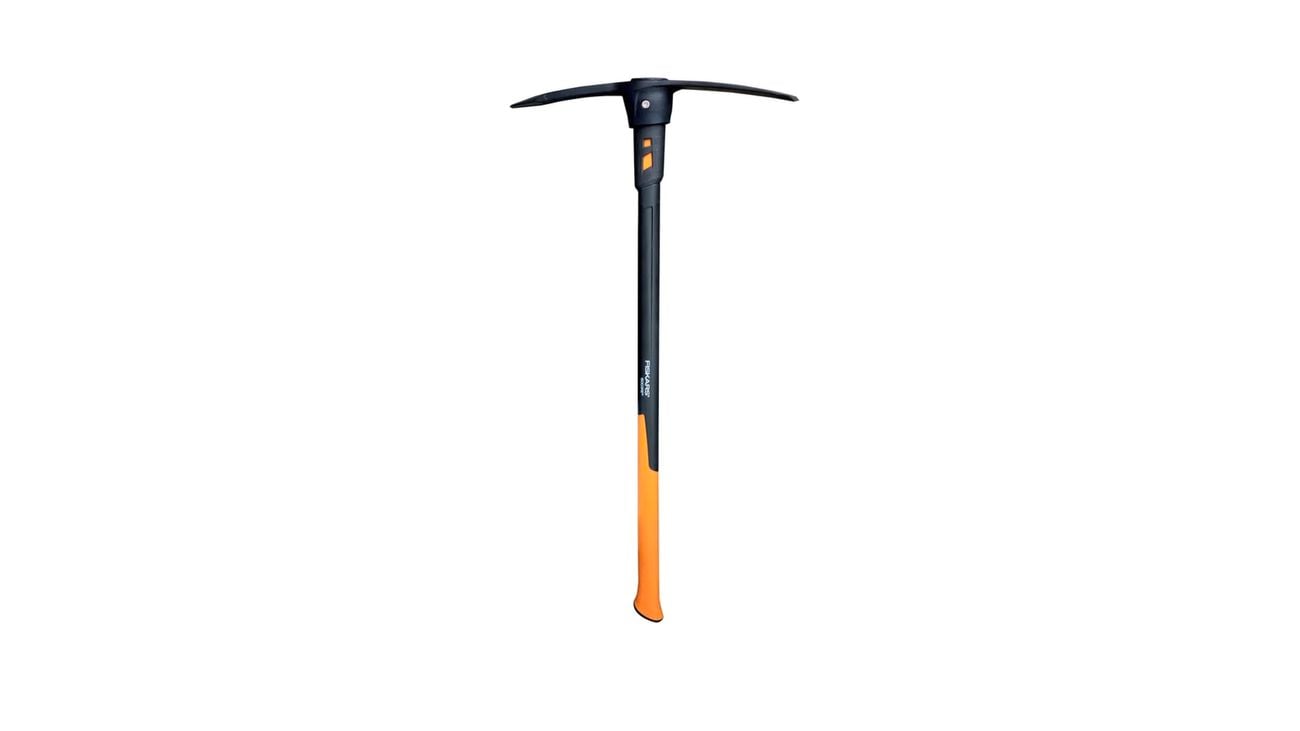
Picks can be used to dig trenches, excavate and break up soil. Its pointed edge breaks rocky or hard surfaces, while the chiselled end can cut through roots.
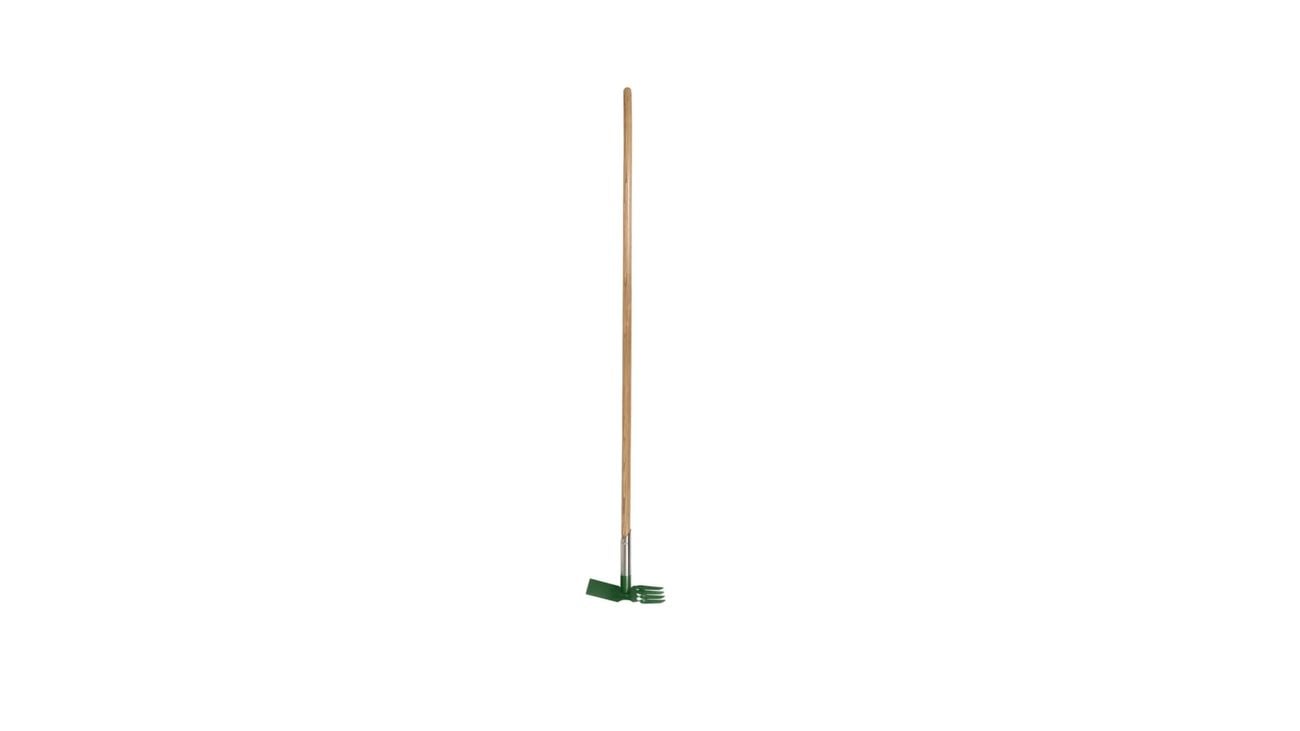
Hoes are used for cultivating soil, removing young weeds and breaking up clumps of soil. They can also be used to pile soil around the base of a plant, to create furrows and dig shallow trenches for seeds and bulbs.
With their wide and sharp blade, crowbars are great for digging in soft or hard soil. They can also be used to break up rocks and concrete or as a lever to move heavy objects.

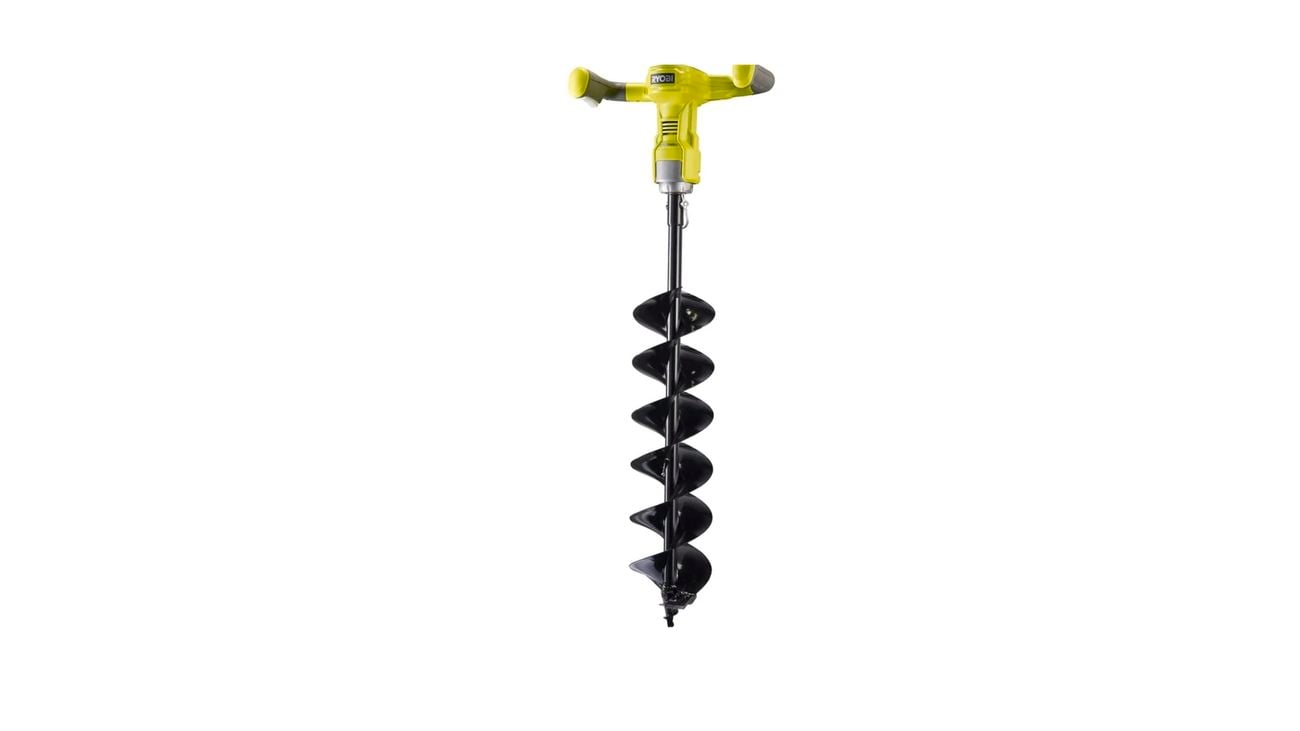
An auger is a drilling device or drill bit that removes the material out of the hole being drilled. Augers are ideal for digging post holes, hanging gates and planting trees and shrubs.
Asbestos, lead-based paints and copper chromium arsenic (CCA) treated timber are health hazards you need to look out for when renovating older homes. These substances can easily be disturbed when renovating and exposure to them can cause a range of life-threatening diseases and conditions including cancer. For information on the dangers of asbestos, lead-based paint and CCA treated timber and tips for dealing with these materials contact your local council's Environmental Health Officer or visit our Health & Safety page.
When following our advice in our D.I.Y. videos, make sure you use all equipment, including PPE, safely by following the manufacturer’s instructions. Check that the equipment is suitable for the task and that PPE fits properly. If you are unsure, hire an expert to do the job or talk to a Bunnings Team Member.


