


 Lowest Price Policy^
 Free delivery* with
 4 hour Click & Collect
 Easy in-store Returns
How to spring clean your outdoor entertaining area
By

```
```
Smooth your summer prep with this round-up of essential tools, tasks and maintenance tips.
Key overview: How to spring clean your outdoor entertaining area
- Sweep and clean the deck. Use deck cleaner that is designed to be used on timber. Finish with a protective decking oil.
- Reset the BBQ. Clean it using non-scratch cleaning tools, specialist wipes, degreasers and warm soapy water.
- Wipe down outdoor ceiling fans. Use a microfibre cloth for dust and warm water and a mild detergent if you need to remove grime.
- Refresh outdoor furniture. Give it a gentle clean, use warm soapy water for plastic and wicker or synthetic rattan and for timber give a gentle clean and a fresh coat of oil or sealer, if needed.
- Spot-clean outdoor cushions. Brush away loose dirt.
Barbecue season has a habit of sneaking up. One minute you’re reaching for a jumper, the next, friends are dropping in and the backyard is back in action. Whether it’s a weathered deck, grimy pavers or garden furniture that’s seen better days, a weekend spent cleaning and refreshing key alfresco areas can make a big difference.
Tip: Always wear the appropriate safety equipment (safety glasses, gloves, ear muffs and a mask, for example) and always follow the instructions for the product or equipment.
What tools do you need for cleaning your outdoor entertaining area?
The right tools help you whizz through outdoor tasks without breaking a sweat. Mario Mathuranayagam, cleaning buyer at Bunnings recommends:
- A pressure cleaner (though check it is suitable for your surface first) paired with the right cleaning solutions.
- Battery-powered handheld scrubbers for tackling tougher jobs.
- Crack-and-crevice cleaning tools for hard-to-reach spots.
- Window vacuums for streak-free glass.
- Extension poles that make cleaning higher surfaces safer and more comfortable.
What are the best tools for deck cleaning?
A timber deck is a valuable asset, so it pays to look after it. Landscaping specialist Richard Chebli of Zones Landscaping recommends sweeping regularly and using a dedicated deck cleaner rather than harsh household products. If the timber is weathered or grey, clean it well before applying a coat of decking oil or protective finish. “Preparation is key,” says Richard. “Don’t oil over dirt, mould or old coatings – clean it properly first.”
Tip: Resist the urge to blast a deck with maximum pressure. Overly aggressive cleaning can damage timber fibres, roughen the surface and shorten your deck’s lifespan.
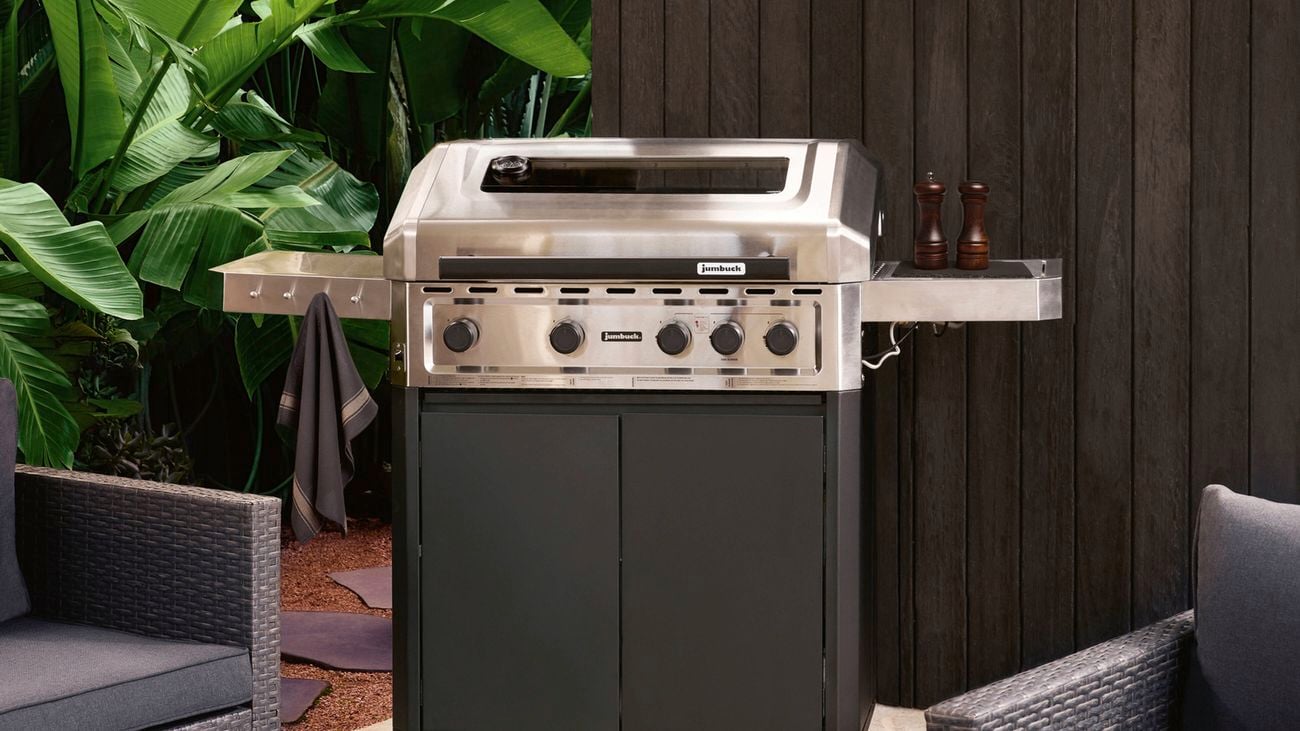
How to clean a BBQ
Before firing up the barbecue, give it a good reset, says Daniel Pedroza of oven and barbecue cleaning specialists Oven Brothers Australia:
- “Remove and clean grills and plates, empty the drip tray and check burners for blockages,” he says.
- Steer clear of wire brushes, steel wool or harsh chemicals, which can scratch surfaces and damage protective coatings.
- Pick non-scratch cleaning tools, specialist wipes, degreasers and warm soapy water.
- Give the drip tray attention. “Many people focus on the surface and overlook the tray that collects grease and food residue below,” says Daniel. Built-up grease can lead to smoke and odours.
Tip: If you have a pizza oven or smoker, remove ash and food debris, check seals and vents, and avoid using harsh chemicals inside the cooking chambers.
How to clean a ceiling fan
Before cleaning, switch off the power. Daniel suggests using a microfibre cloth or soft brush to remove dust and cobwebs from blades and housings. For heavier grime, try warm water and a mild detergent. Avoid spraying water directly into electrical components.
Mario says ready-to-use outdoor cleaners make it easier to treat mould, grease and grime quickly, without heavy scrubbing. “We’ve seen strong growth in bleach-free, environmentally conscious options that deliver effective results without harsh fumes or surface damage,” he says.
How to spring clean your outdoor furniture
After months outdoors, furniture often needs a little TLC before the entertaining season. Here’s how to clean the different types:
- Timber outdoor settings. Give timber settings a gentle clean and, if needed, a fresh coat of oil or sealer.
- Plastic outdoor furniture comes up beautifully with warm soapy water and a soft brush, while metal pieces should be checked for rust, chips and loose fittings.
- Wicker or synthetic rattan furniture – clean with a soft brush, mild detergent and a gentle rinse. Avoid pressure washing, as it can damage the weave or force water into spots that struggle to dry. Aftercare products can also protect furniture from the harsh summer sun.
- Don’t forget outdoor cushions. Vacuum or brush away loose dirt, then spot-clean according to the care instructions. Richard says the biggest mistake is storing cushions that are still damp – it’s a fast track to mould and musty smells. Only use them once dry.

How to clean driveways, pavers and other outdoor surfaces
Dirt, mould, algae and leaf stains build up during the cool, wet months, making outdoor areas look tired and creating slip hazards. “Different surfaces need different levels of pressure and cleaning products,” says Richard.
- Concrete driveways can usually handle a pressure washer while decorative surfaces and pavers often need a gentler approach. Too much pressure can harm surfaces, strip paver jointing or force water where it shouldn’t go. Sweep away loose debris before tackling stains.
- If you’re cleaning outdoor tiles, Richard suggests avoiding harsh acids or abrasive products and instead using a pH-neutral cleaner, especially on natural stone, which can be etched or dulled.
- For exterior walls and windows, a gentle wash with mild detergent, a soft brush and a rinse is usually enough. “Avoid pointing a pressure washer at window seals, painted surfaces or rendered walls, as water can be forced behind the surface and cause damage,” says Richard.
- Window frames, screens and tracks deserve some attention, too. “Most people clean the glass and forget everything around it,” says Daniel. Start by vacuuming or brushing dirt from tracks, then wipe frames with a microfibre cloth and mild detergent. Cleaning flyscreens at the same time helps remove built-up dust and cobwebs.
Keep in mind...
- Check manufacturer’s manuals for advice before cleaning appliances. Wear a mask and gloves for serious cleaning tasks and store all cleaning products out of reach of children and pets.
- Follow manufacturer’s instructions for setting up and using your barbecue. Position on a flat and clear, well-ventilated space outdoors and never leave a lit barbecue unattended. Keep children and pets away from barbecues and gas cylinders and put matches and lighters out of children’s reach.
Looking for some simple ways to refresh your backyard?
Check out our article on easy backyard ideas for a fast update.
Photo credit: Martina Gemmola, Alex Reinders.


 Get Inspired
 Ask Questions
 Share Projects
Bunnings Workshop is an online community for D.I.Y. and gardening discussion. Get your questions answered at workshop.bunnings.com.au
Get inspired by projects from the Bunnings Workshop community
Health & Safety
Asbestos, lead-based paints and copper chromium arsenic (CCA) treated timber are health hazards you need to look out for when renovating older homes. These substances can easily be disturbed when renovating and exposure to them can cause a range of life-threatening diseases and conditions including cancer. For information on the dangers of asbestos, lead-based paint and CCA treated timber and tips for dealing with these materials contact your local council's Environmental Health Officer or visit our Health & Safety page.
When following our advice in our D.I.Y. videos, make sure you use all equipment, including PPE, safely by following the manufacturer’s instructions. Check that the equipment is suitable for the task and that PPE fits properly. If you are unsure, hire an expert to do the job or talk to a Bunnings Team Member.